Personal Works(8)
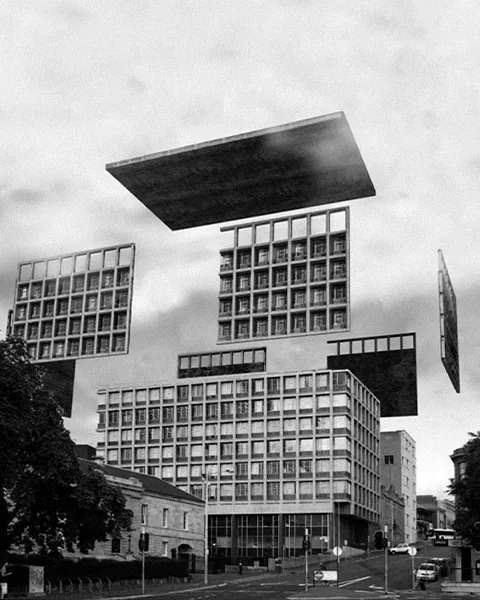
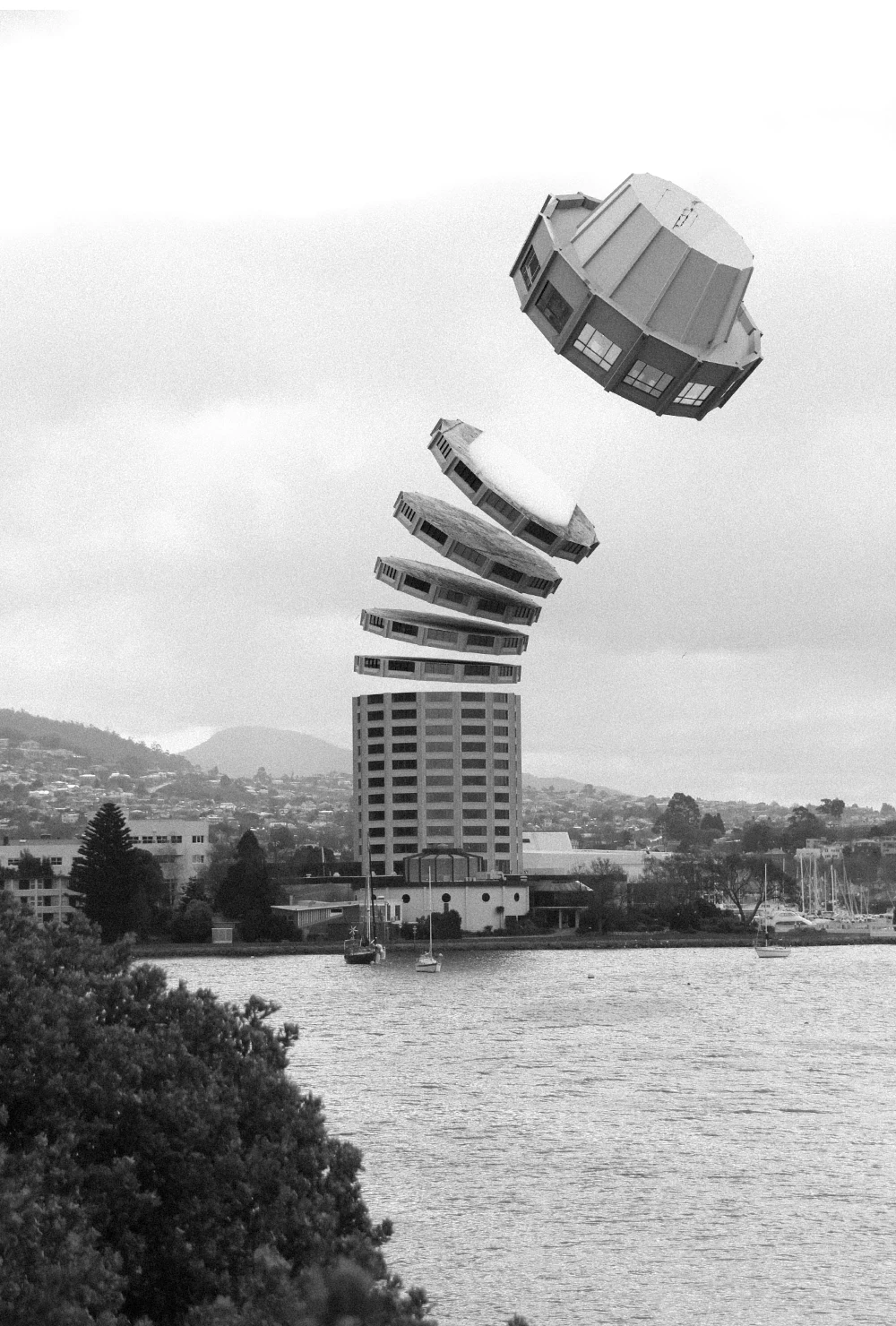
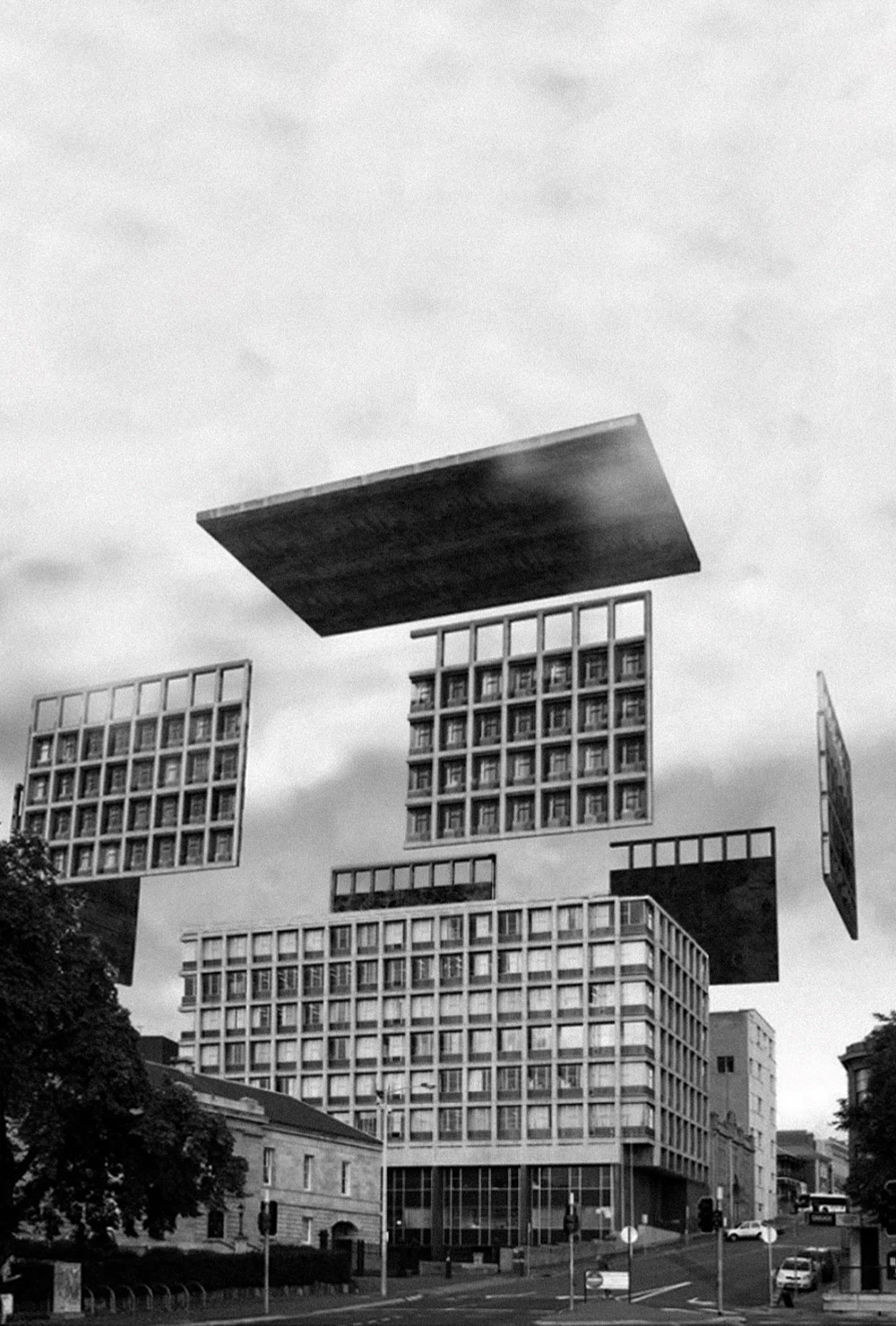
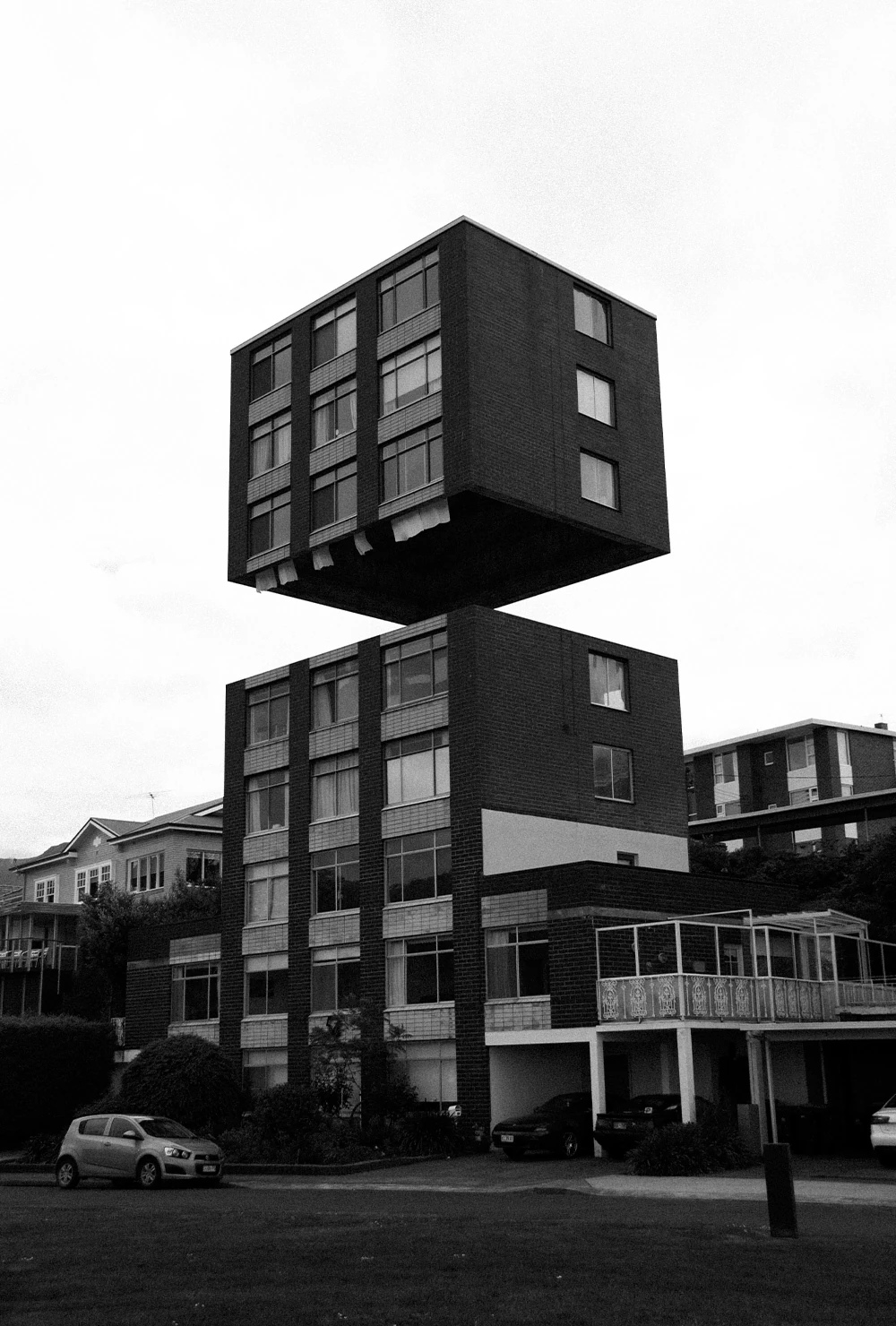
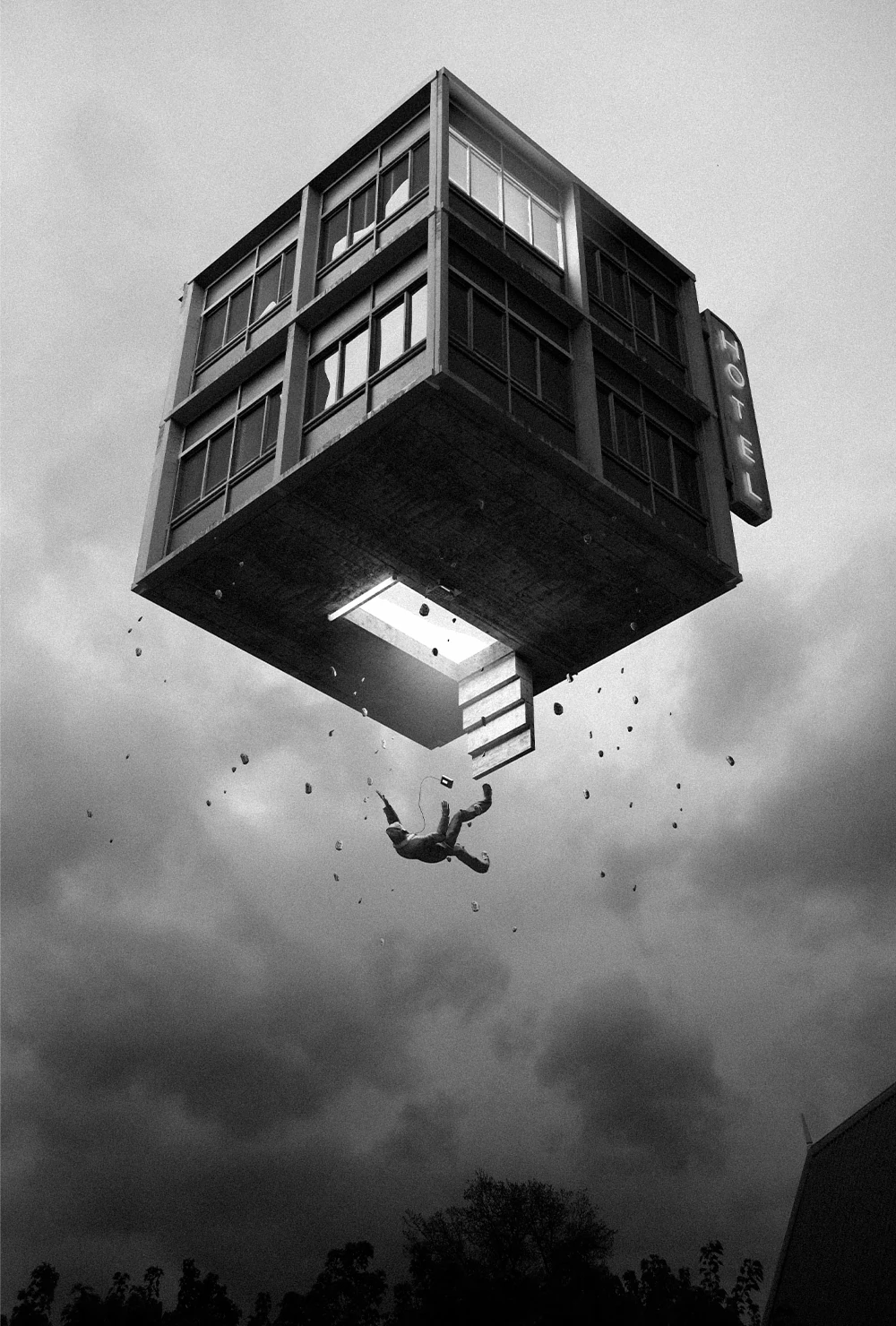
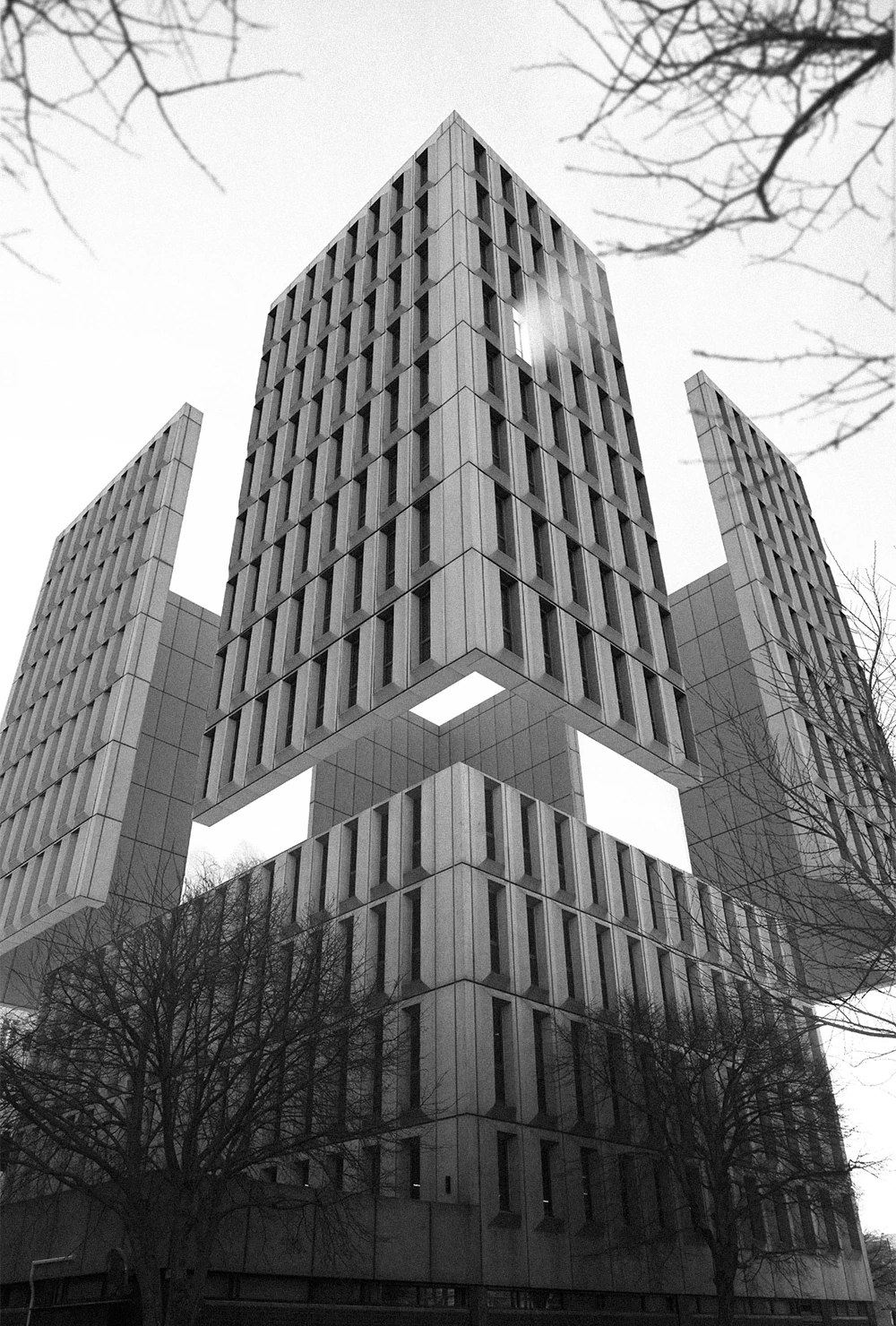
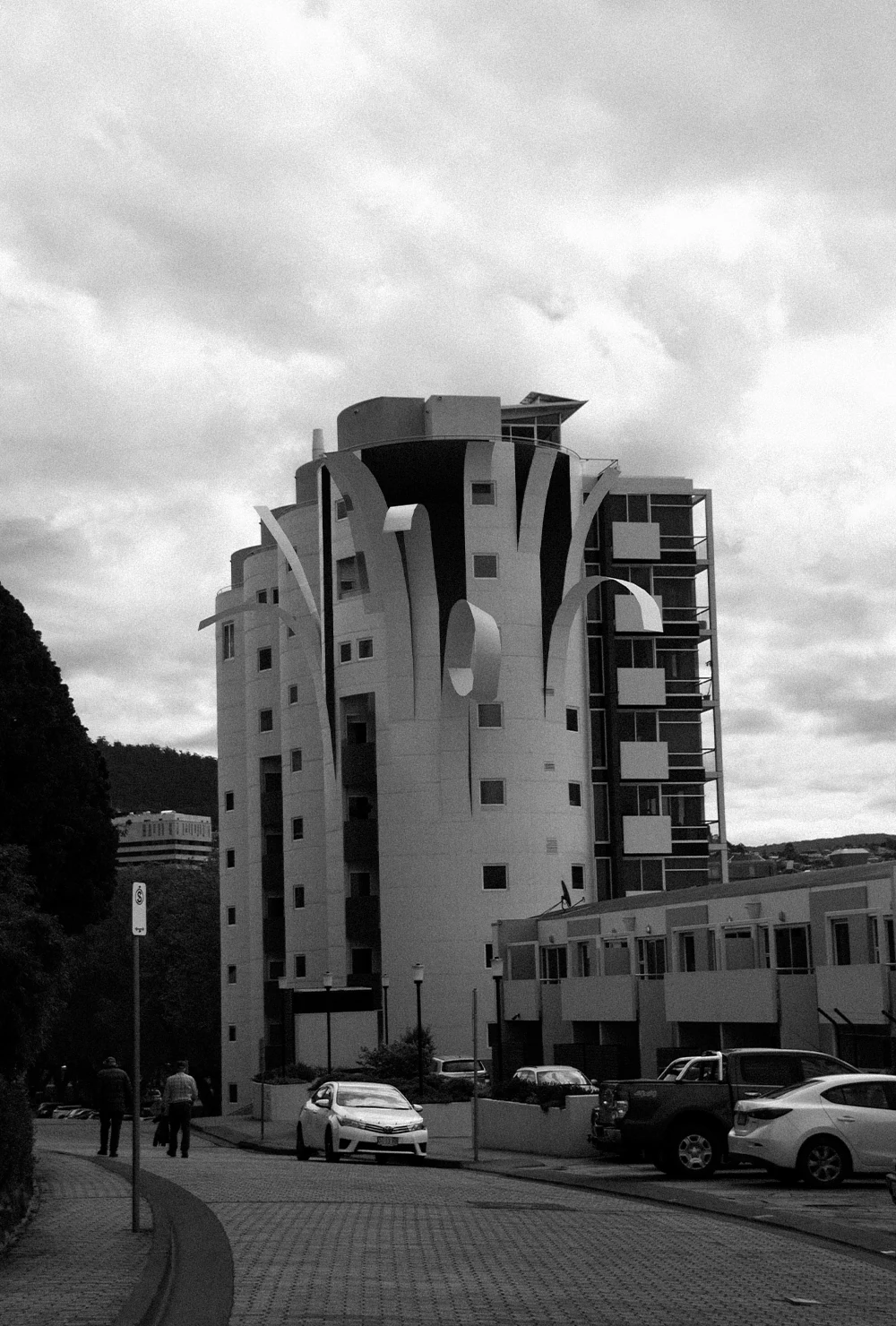
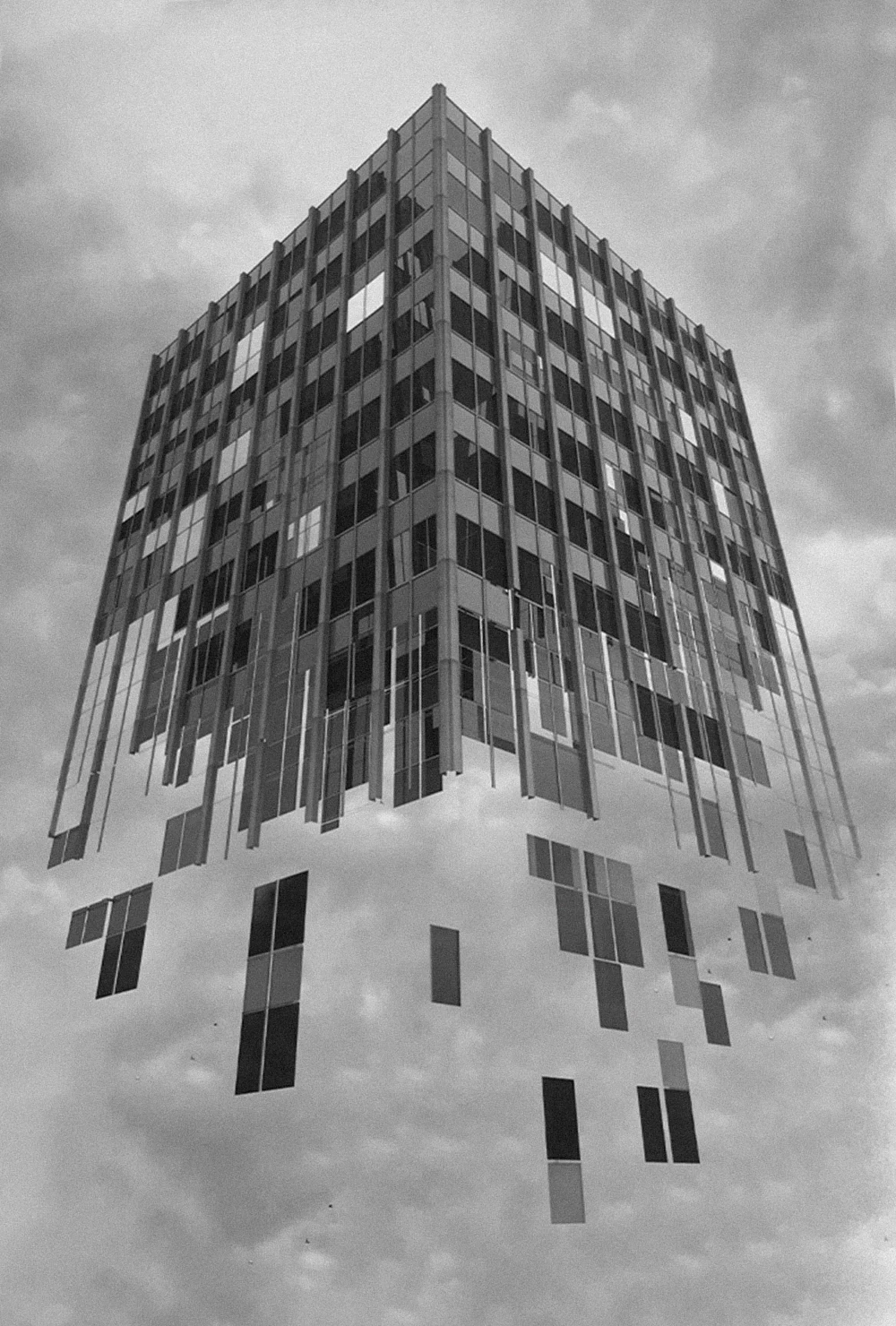
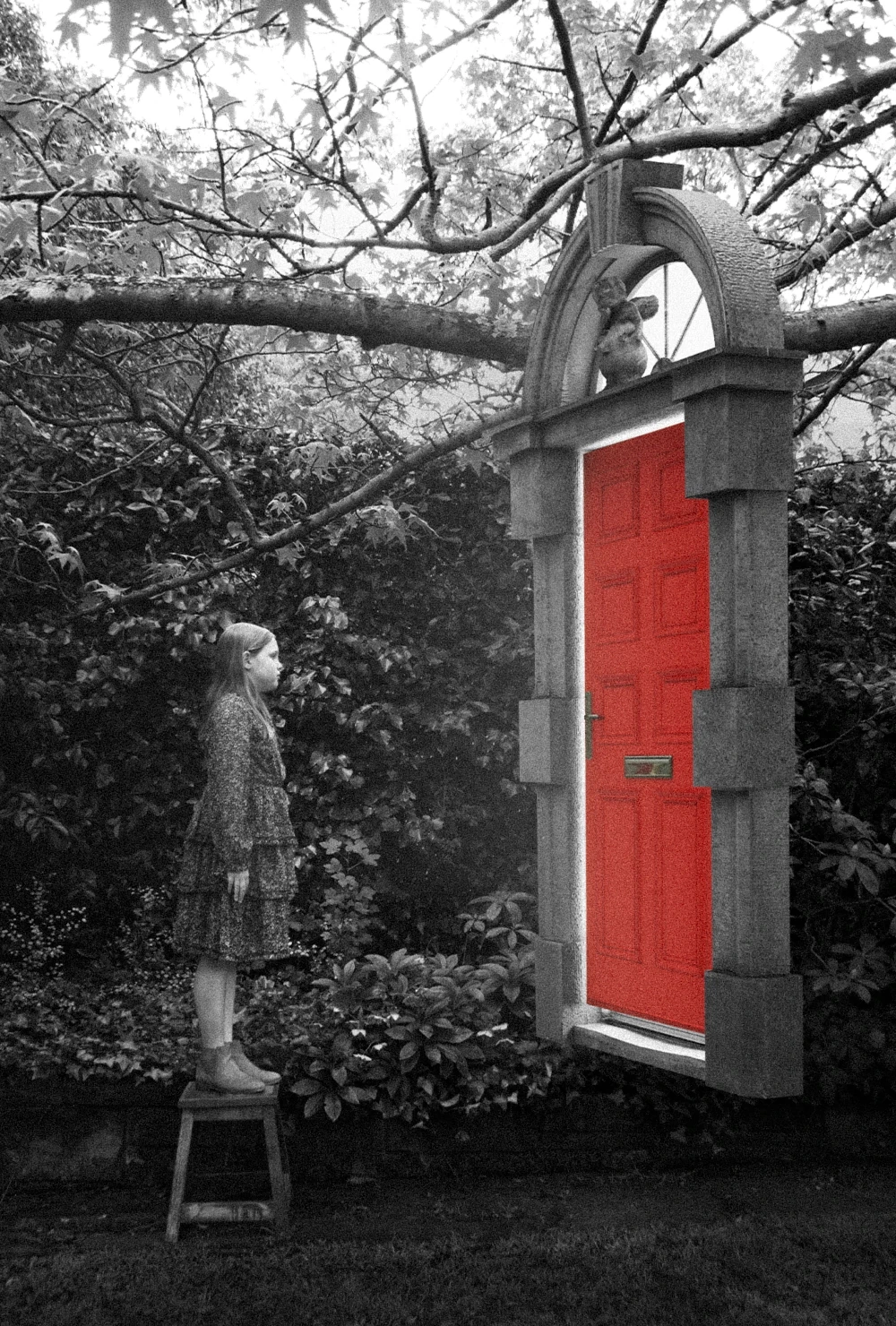
Personal Works explores contentious architecture in Hobart, Tasmania. Channeling childhood imagination, iconic sites are deconstructed into surreal, oneiric structures of political commentary.
Quinn Kacic-Midson My portfolio brings together three years worth of work at the University of Melbourne, in the Bachelor of Design, with a consistent thread of raw material and tectonic expression. Each project demonstrates my commitment to real-world constructability, beyond pure academic concepts.
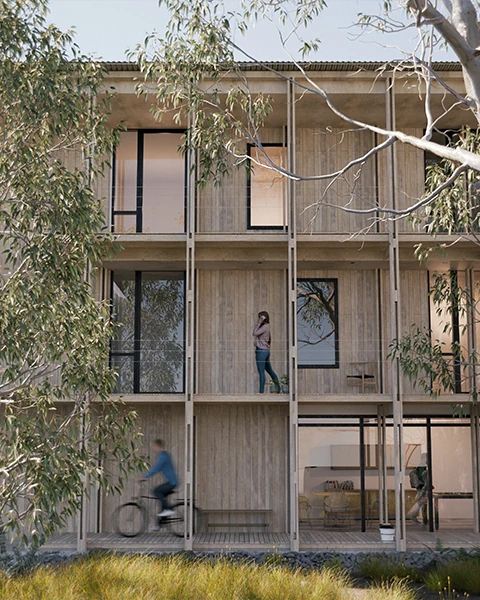
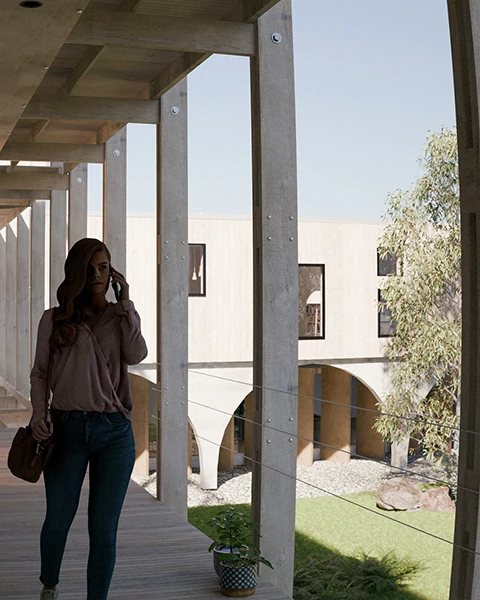
Design Studio Epsilon, my capstone project, represents a culmination of structural design sensitivity and suburb-level urban planning to realize my thesis: programmatic sustainability. Presented with a site in Preston, Victoria, students were asked to design affordable housing supporting over 120 dwellings. This undertaking challenged conventional housing models, proposing a framework designed to adapt to residents' evolving lives.
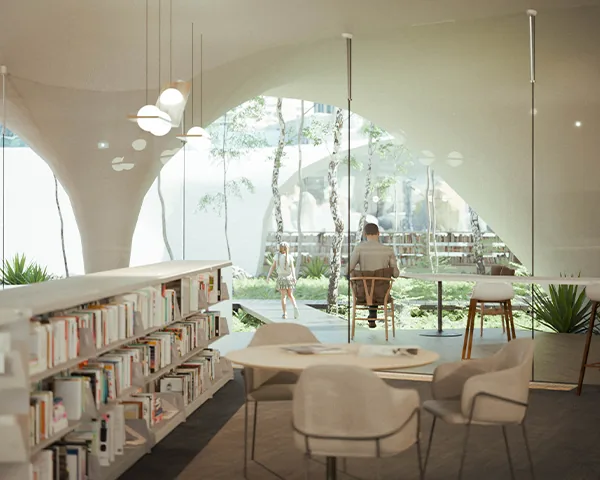
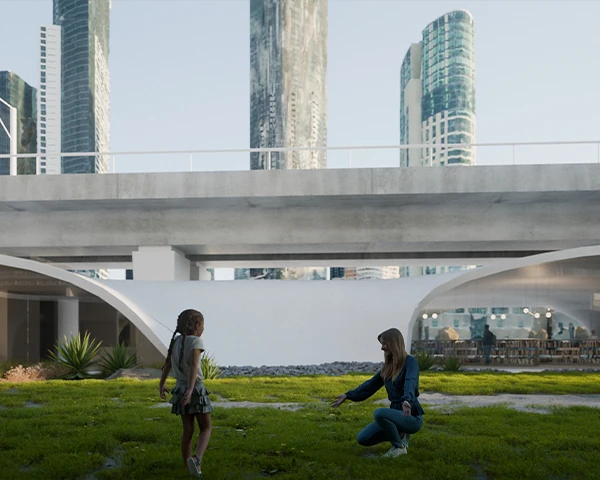
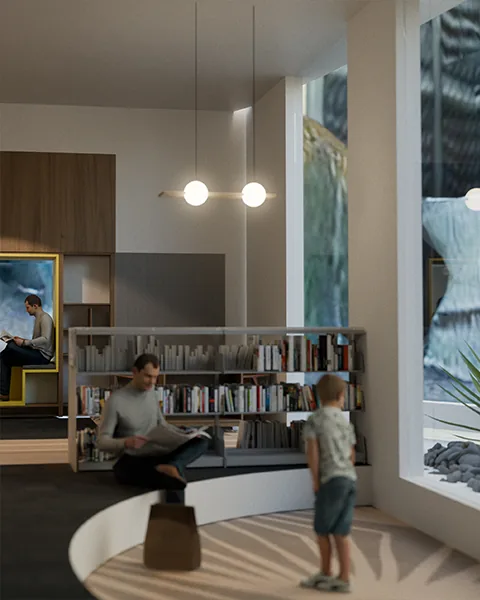
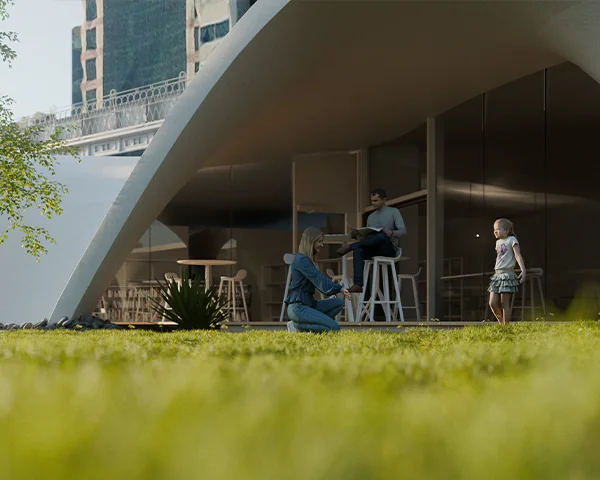
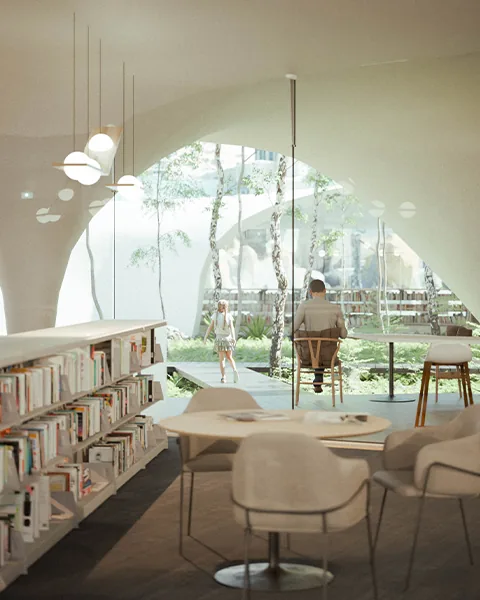
Drawing on the "Culture of Congestion" from Delirious New York, this project transforms the neglected infrastructure of Enterprise Park into a civic catalyst. The design mediates the vertical tension between the heavy rail overhead and the parkland below, inserting a public library that prioritizes open space over commercial imperatives.
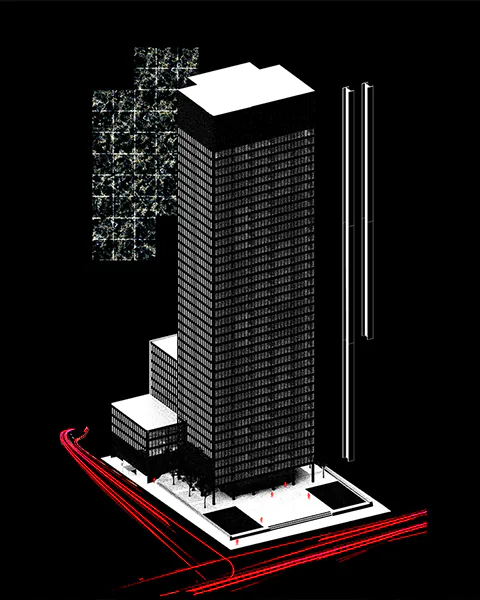
Representing Architecture was my first introduction to the tools that would become foundational to my workflow. The subject presented us with a randomly assigned precedent—in my case, the Seagram Building in New York. We were challenged to recreate the building in Rhino at 1:1, a process that sparked a lasting fascination with the history of the International Style.
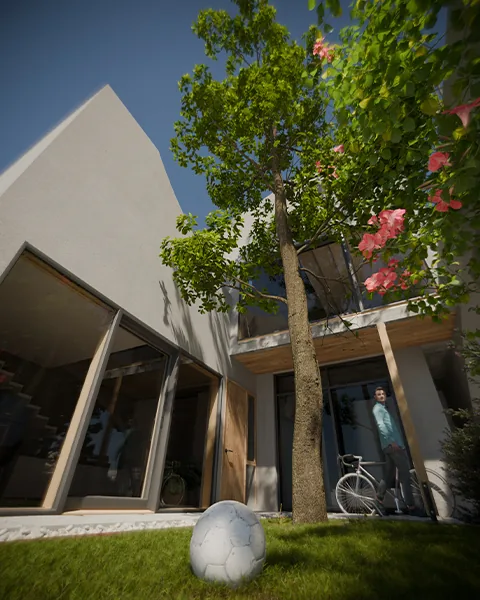
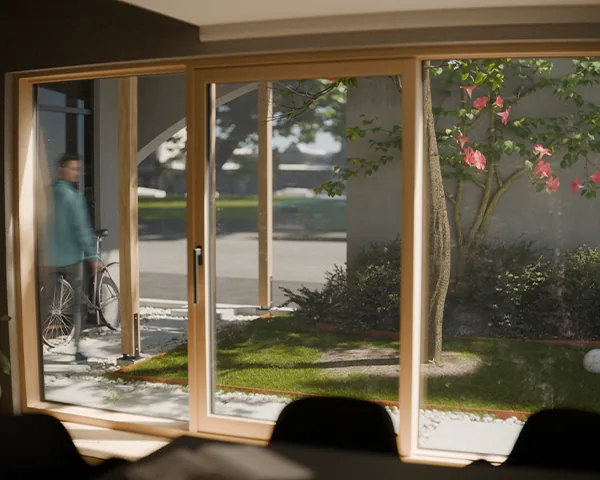
Design Studio Gamma addressed urban densification at Macarthur Place, Carlton. The brief challenged students to design compact housing that balances density with landscape integration and community connection. My response proposed stacked modular homes organized around intimate courtyards, anchored by a dramatic arched entrance that provides identity while mediating between geometric rigor and human scale.
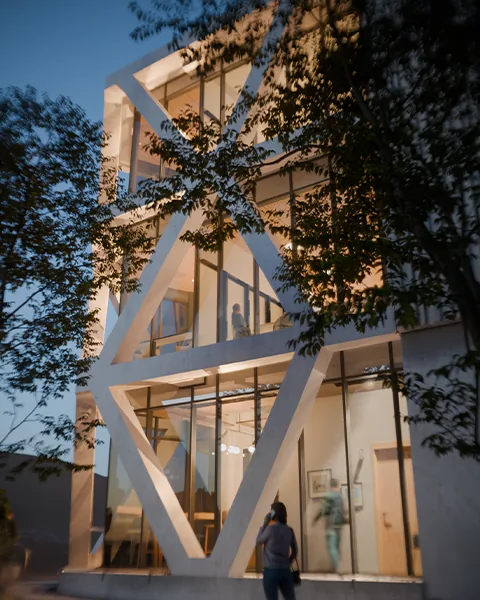
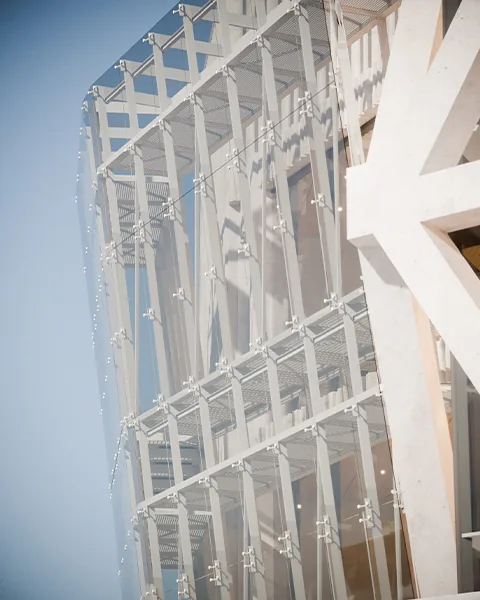
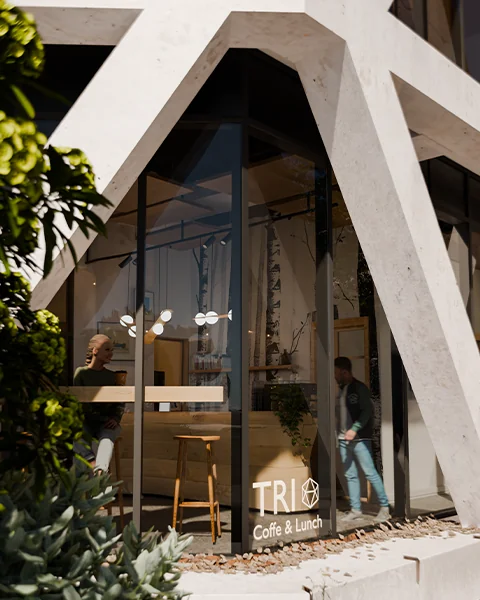
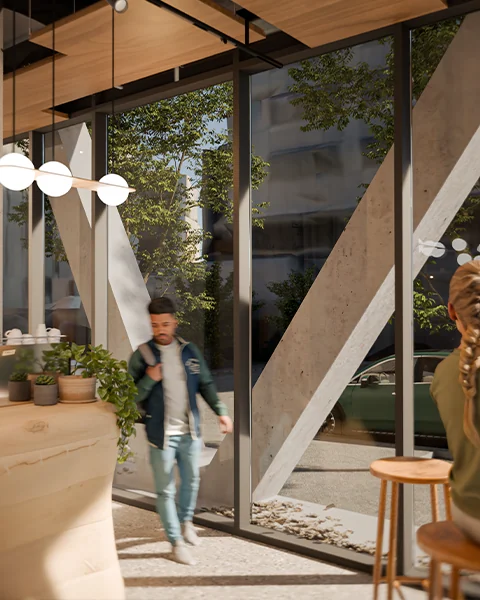
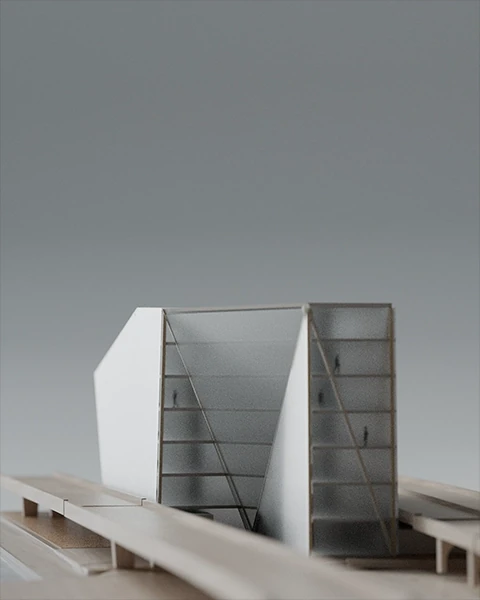
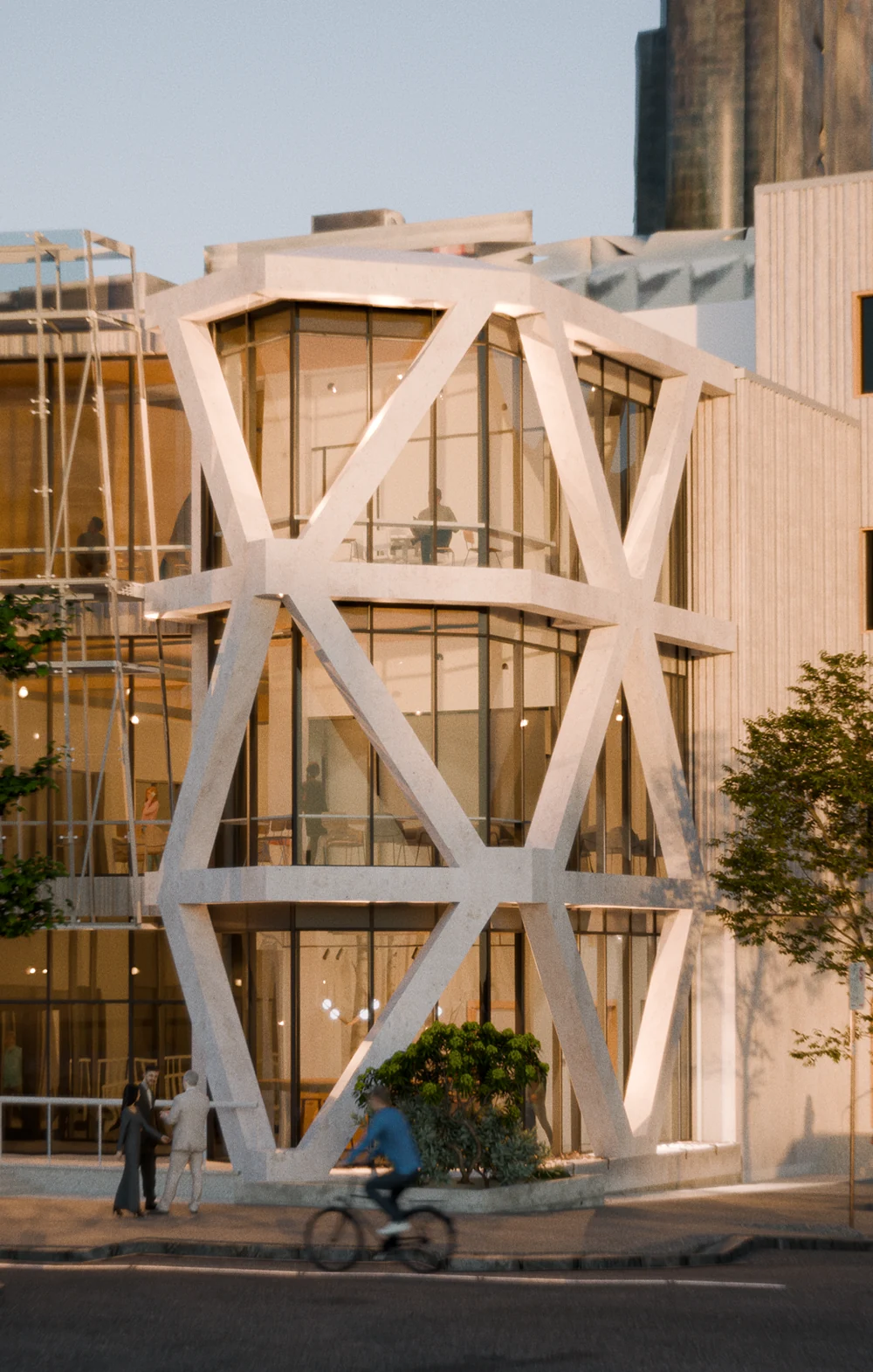
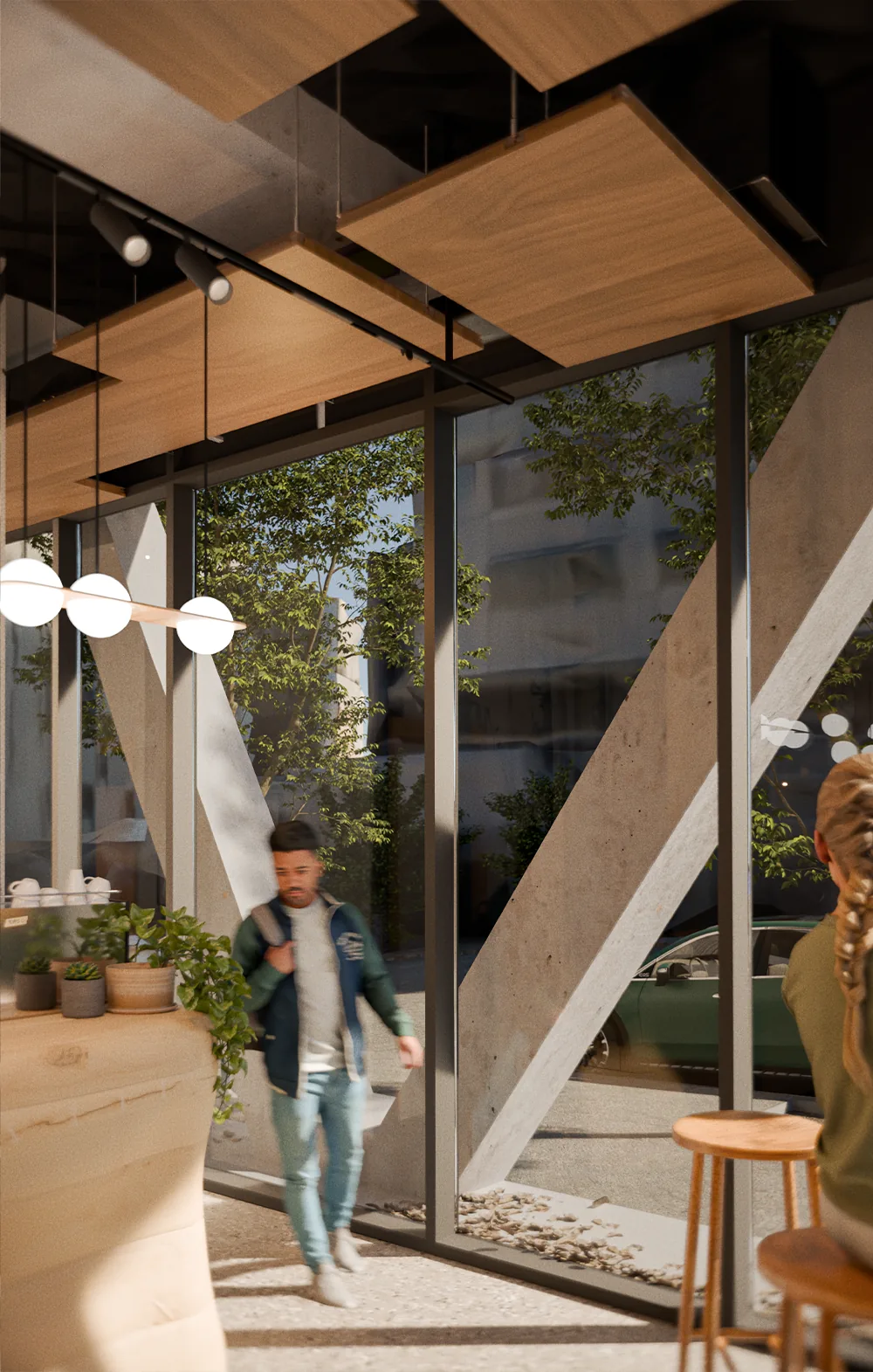
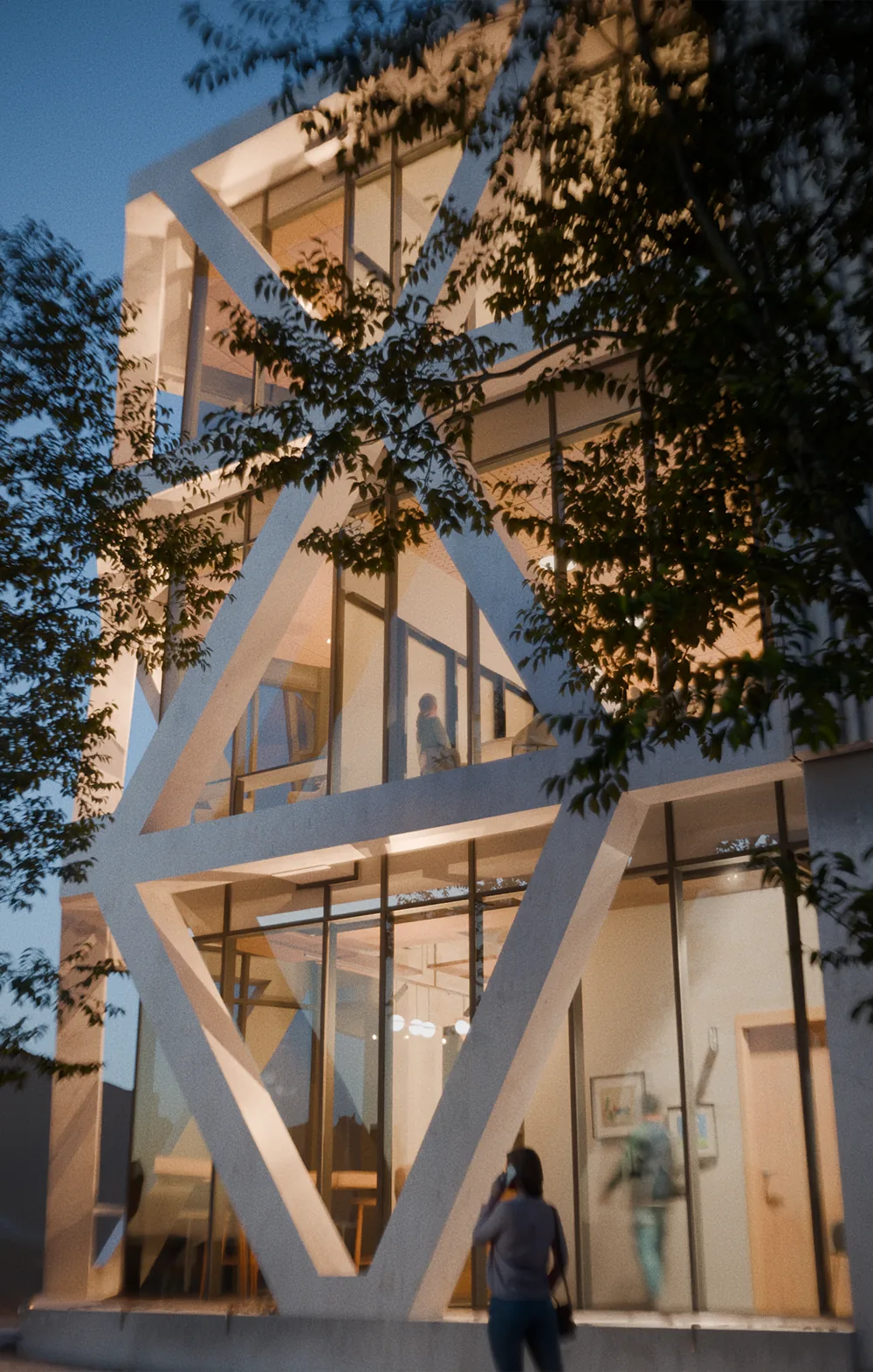
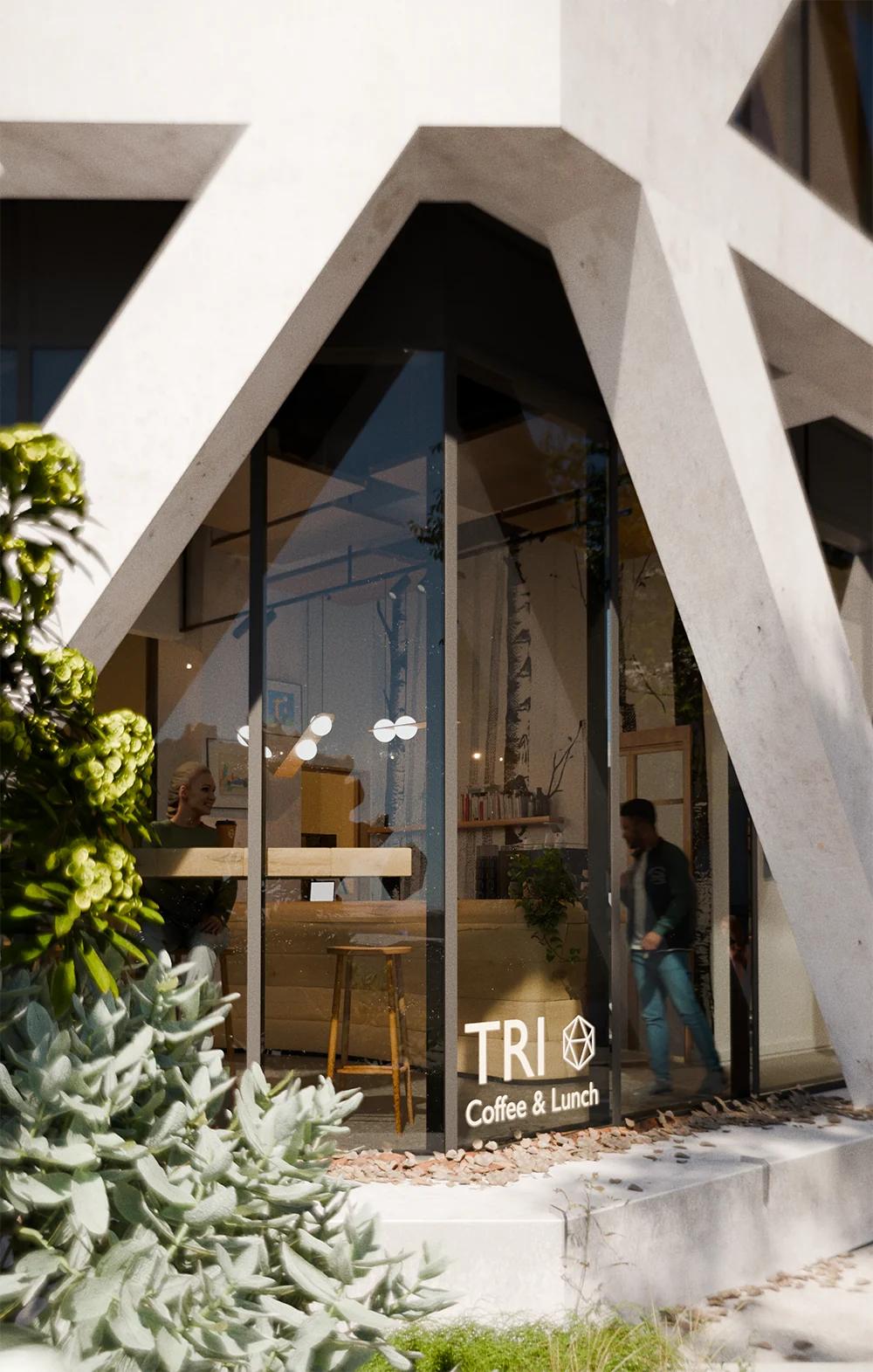
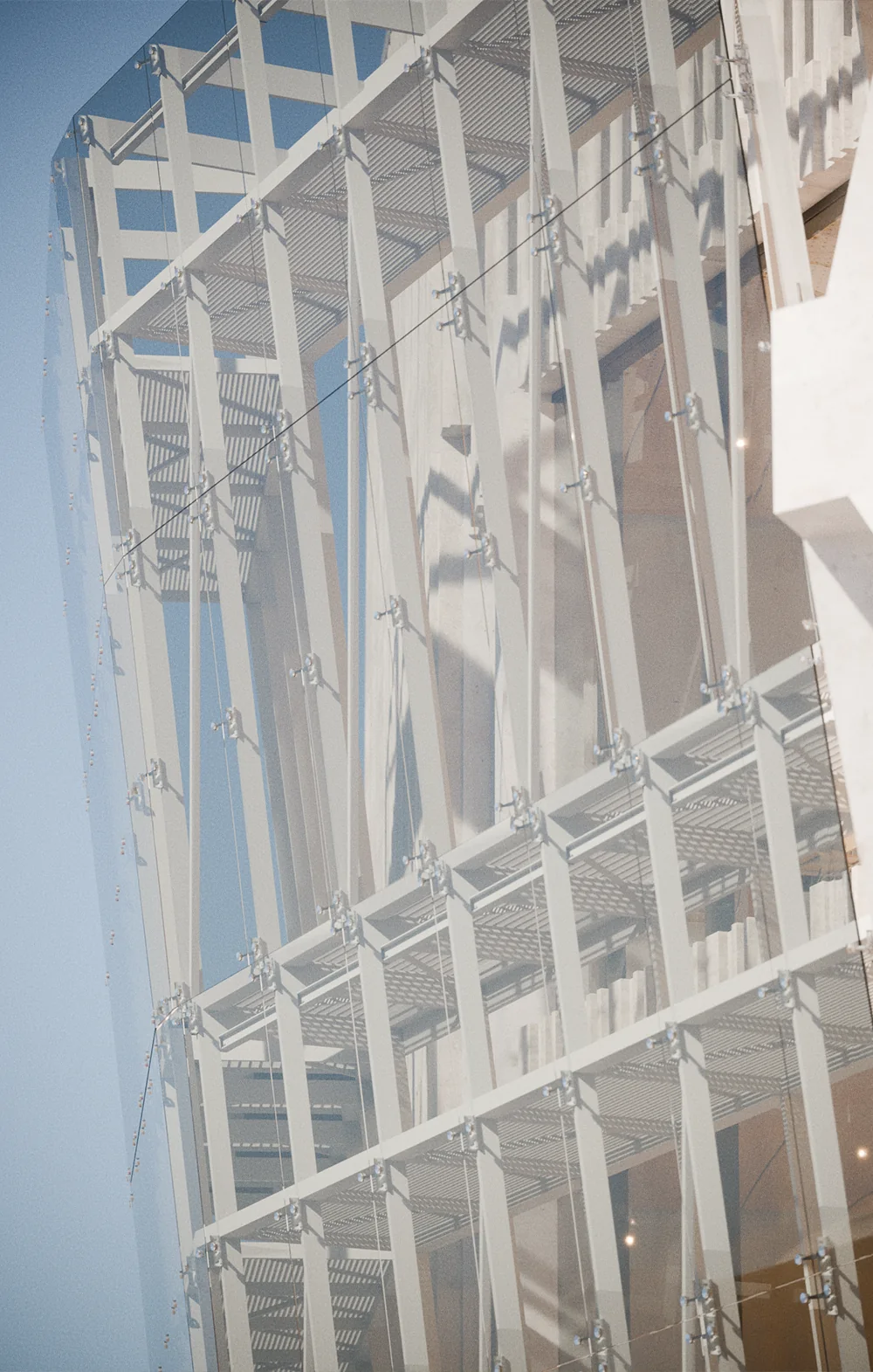
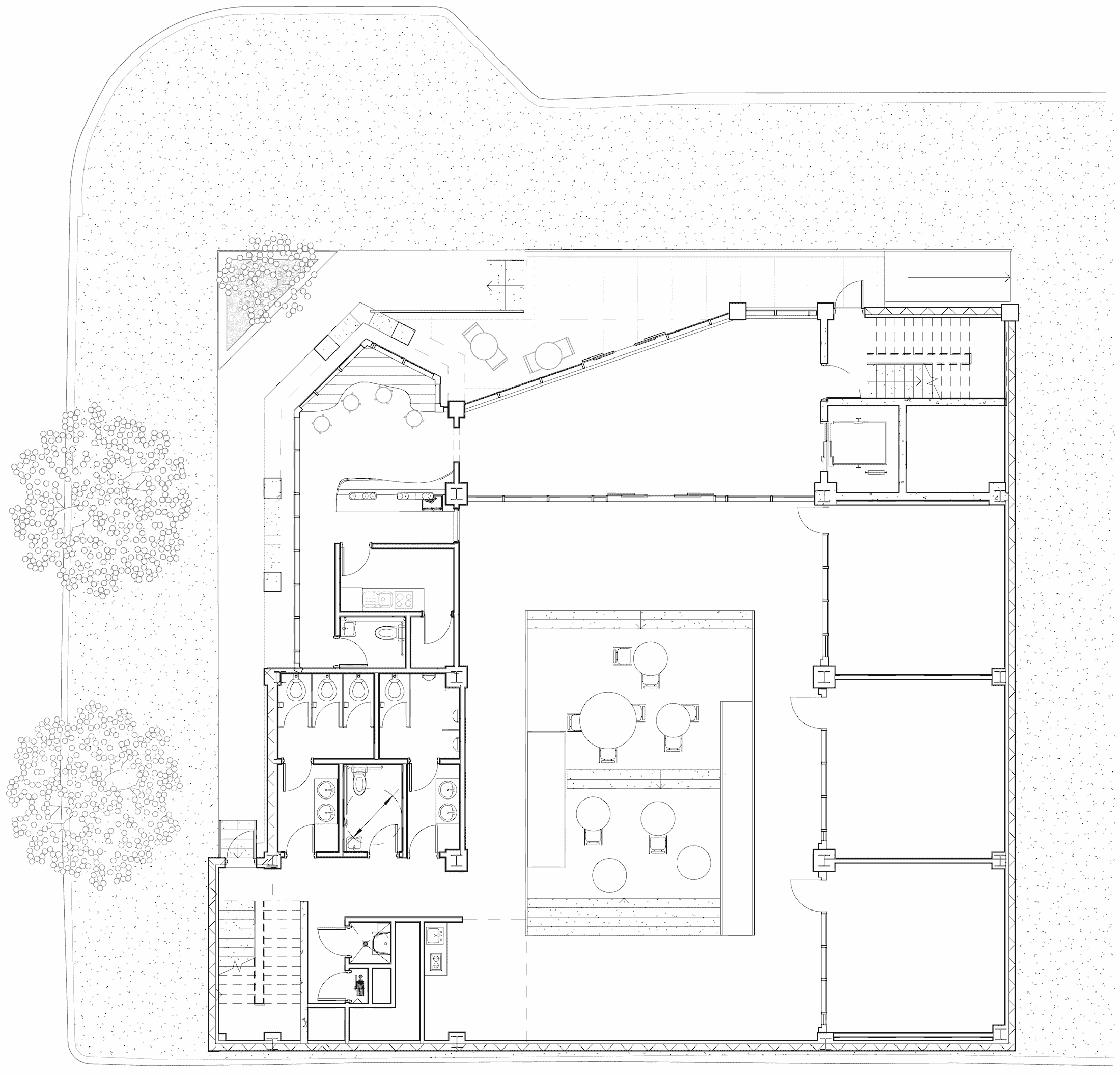
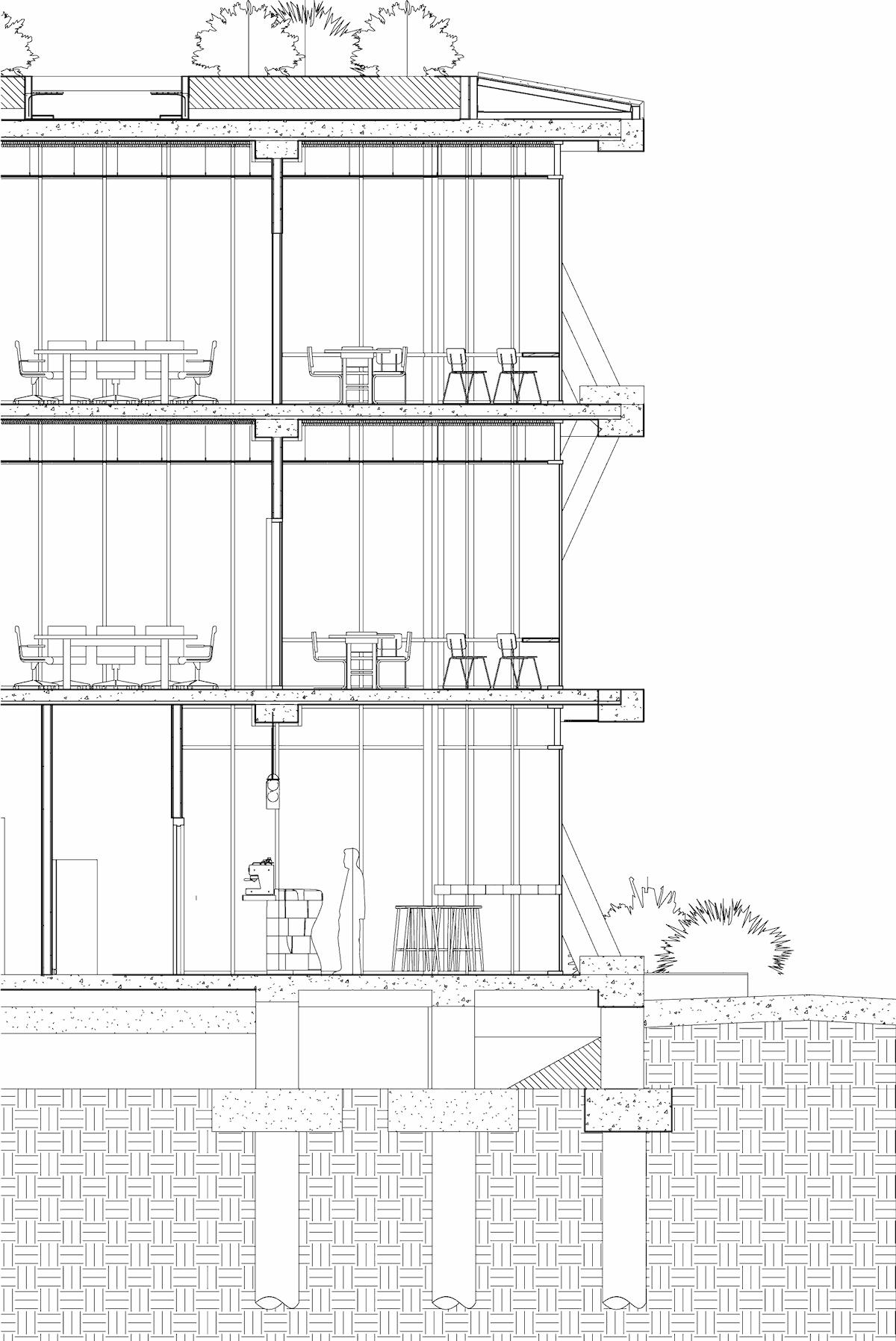
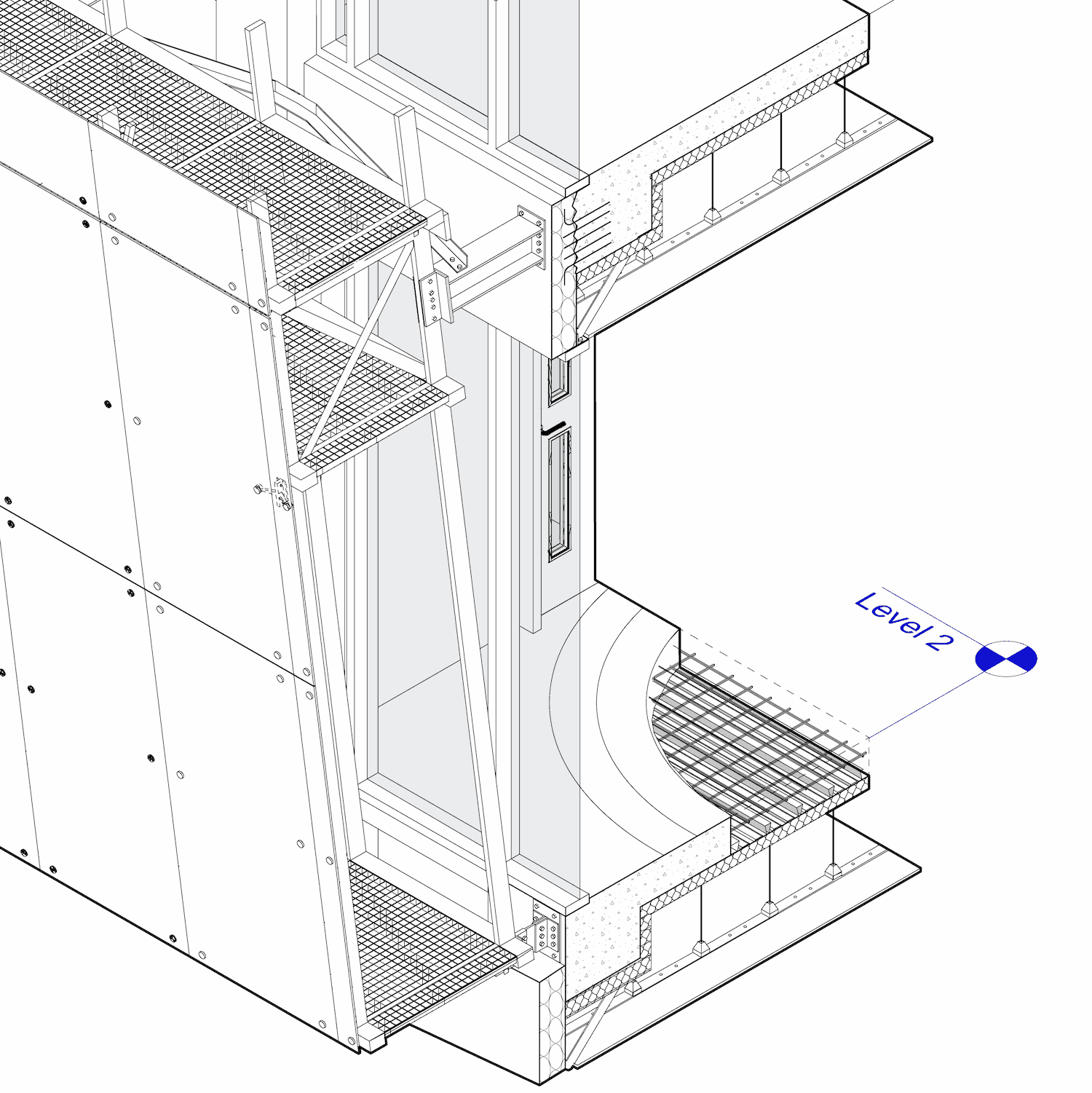
This subject moved beyond pure form to focus on tectonic resolution. The brief: design a student hub by analyzing the technical, cultural, and structural choices that bring a building to life. The goal was to learn how to evaluate, select, and document the architectural systems that turn a concept into a buildable reality.
Personal Work explores contentious architecture in my hometown of Hobart, Tasmania, through surreal digital interventions. Photographing sites like the West Point Casino and the University of Tasmania's demolished campus, I used 3D rendering to pull buildings apart, transforming them into oneiric structures that channel childhood imagination and political commentary. Personal Works have been exhibited and took first place in the ADFAS Photographic Competition.
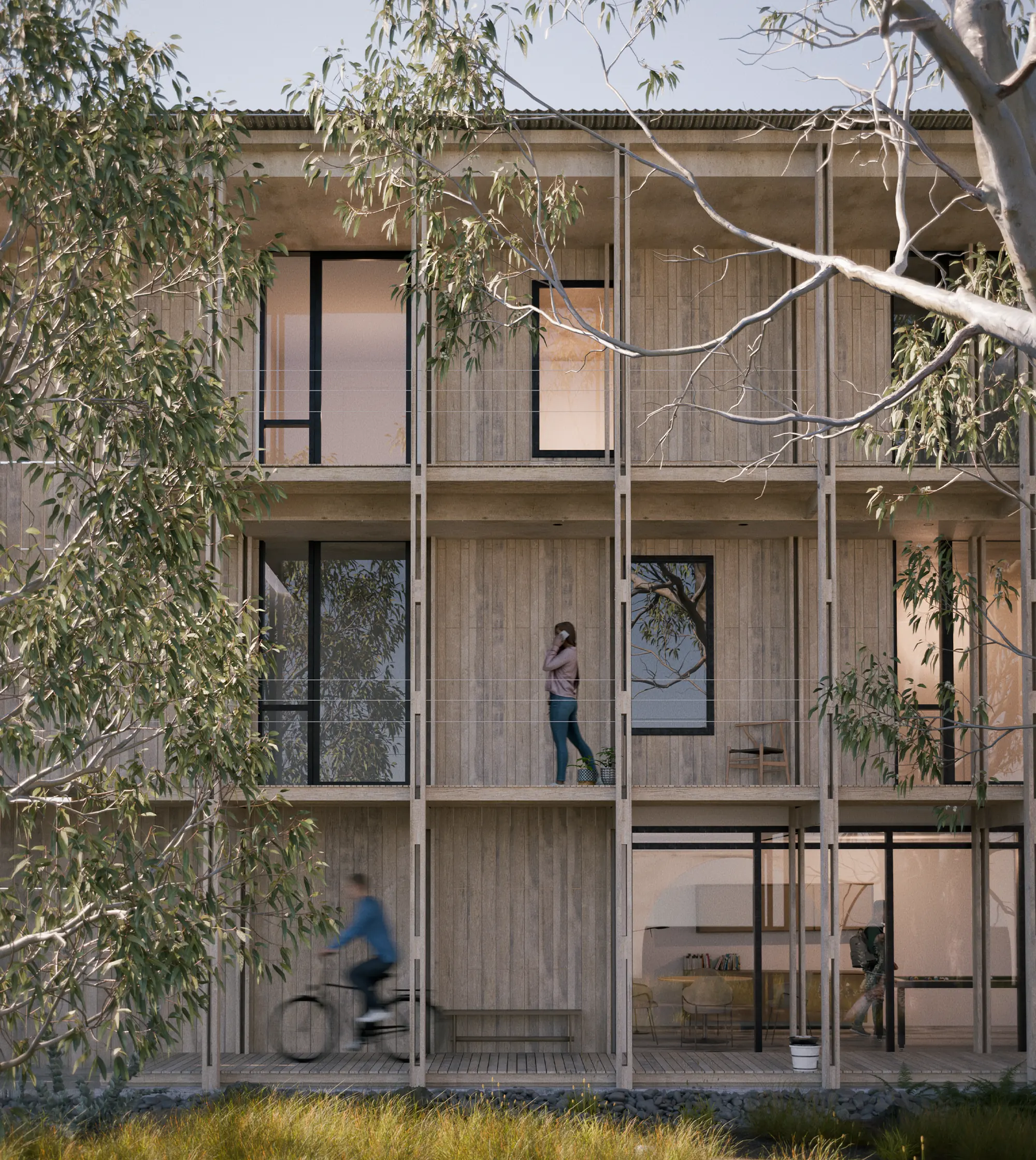

This project argues for "Programmatic Sustainability", positing that true resilience is social, not just material. Responding to Preston's disconnect between housing costs and childcare access, the design co-locates both within a porous, light-optimized grid. By reconciling a rational framework with a radial, regulation-driven ground plane, the architecture fosters a supportive ecosystem where flexible "undetermined" interiors grant families genuine spatial agency.
This project argues for "Programmatic Sustainability", positing that true resilience is social, not just material. Responding to Preston's disconnect between housing costs and childcare access, the design co-locates both within a porous, light-optimized grid. By reconciling a rational framework with a radial, regulation-driven ground plane, the architecture fosters a supportive ecosystem where flexible "undetermined" interiors grant families genuine spatial agency.

01A solar analysis generates the plan, creating a porous site that guarantees year-round light.
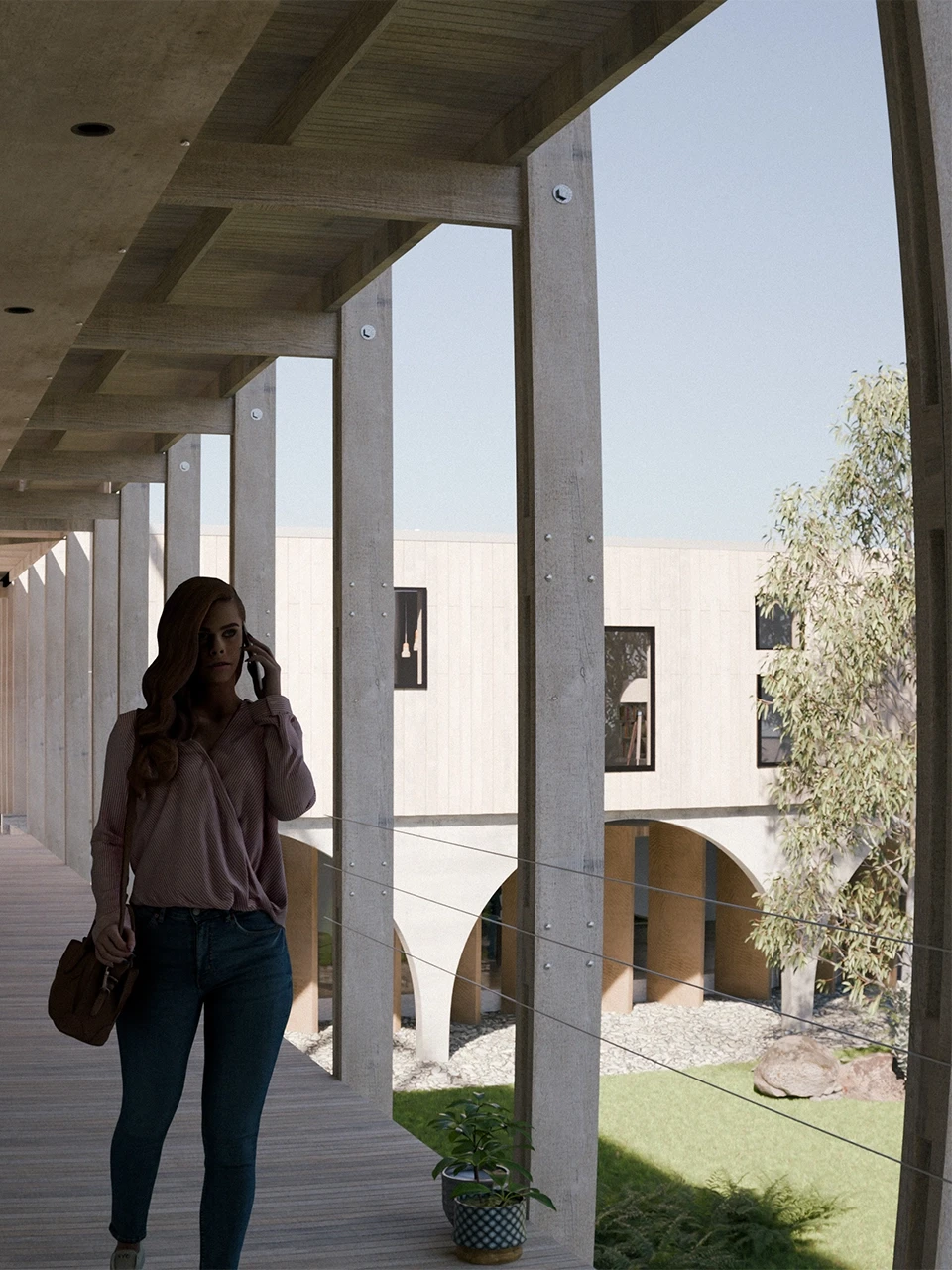
02A palette of honest materials grounds the architecture in its native landscape.
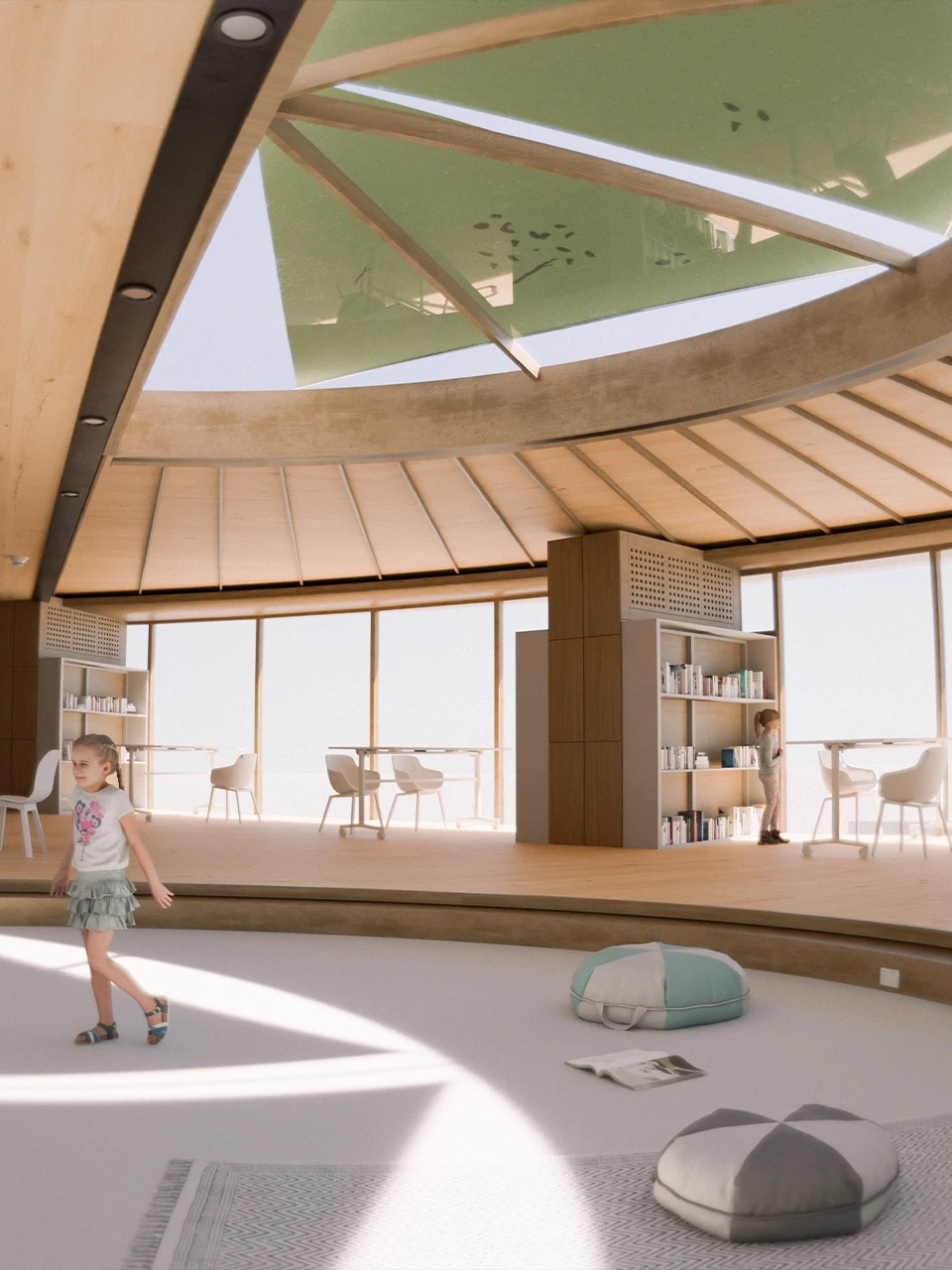
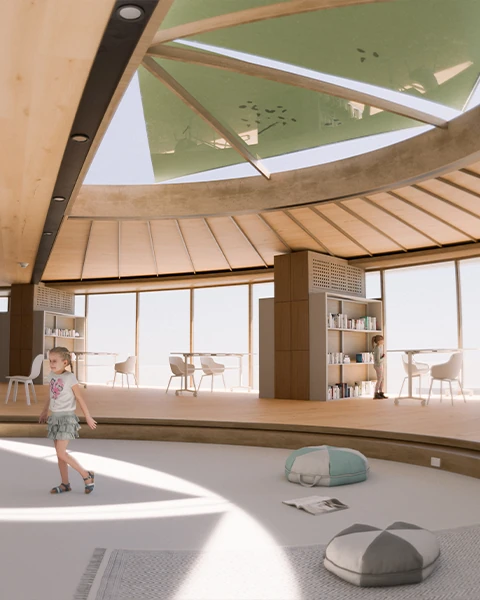
03The childcare's radial plan is a direct response to supervision regulations in Australia, allowing staff in the central conversation pit to see every corner.
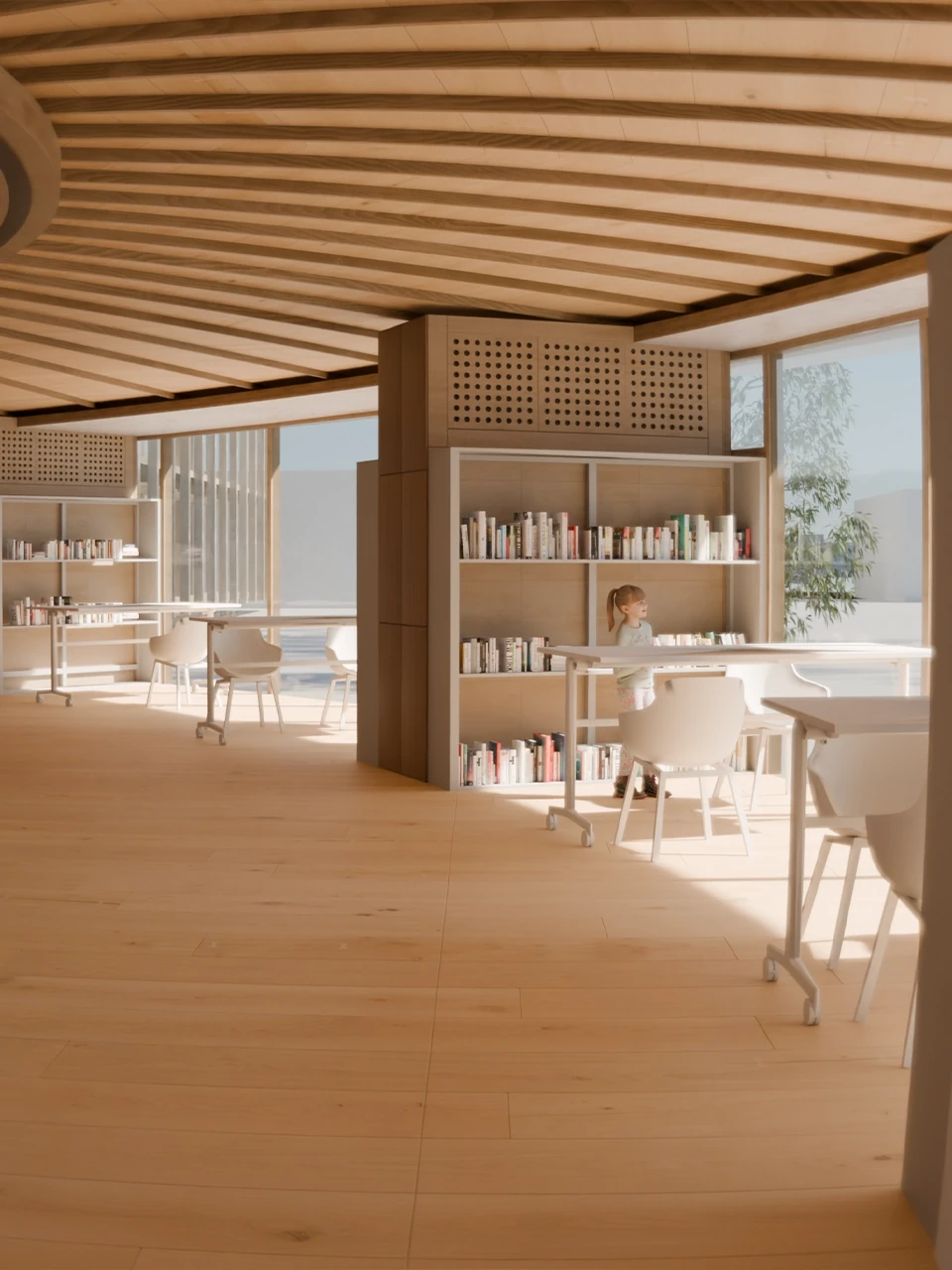
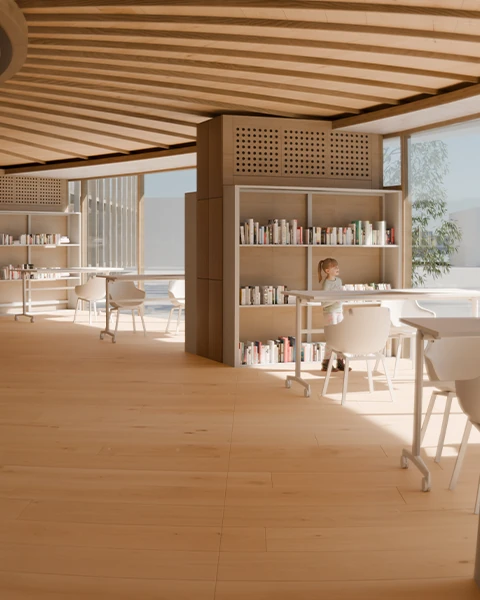
04Load-bearing bookcase columns create seating nooks, freeing the facade for an uninterrupted radial glass wall.
02A palette of honest materials grounds the architecture in its native landscape.
03The childcare's radial plan is a direct response to supervision regulations in Australia, allowing staff in the central conversation pit to see every corner.
04Structured play spaces balance freedom with safety, designed to spark imagination while meeting rigorous supervision standards.

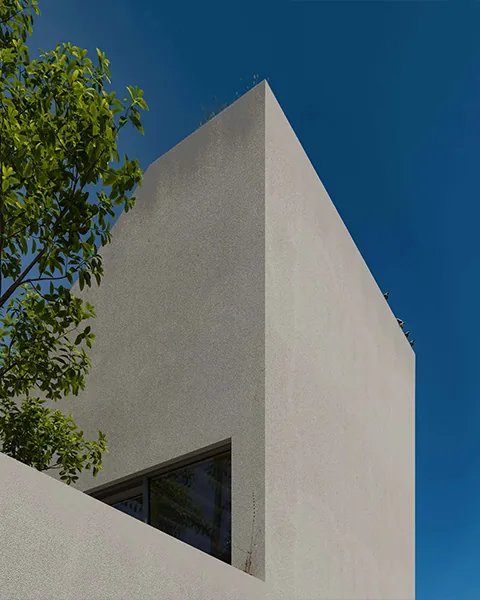
Melbourne's rainfall codes demanded a gutter capacity that challenged my desire for a clean geometry. I resolved this by expanding the wall assembly to fully conceal the box gutter. This bespoke detail creates a crisp, plumbing-free parapet, ensuring the upper volume reads as a singular mass of Silvertop Ash resting on the concrete arcade.

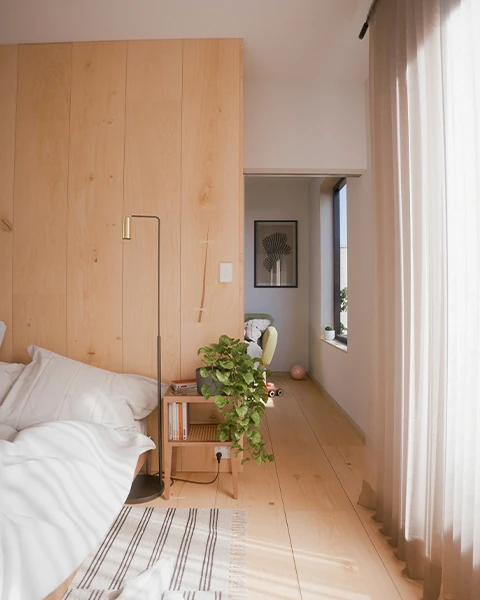
I defined the threshold between public and private through a distinct shift in material scale. To break the repetition typical of social housing, the exterior features alternating Ash boards with staggered fixings. Inside, I transitioned to 350mm European Oak planks, using the wide grain to establish a warm, domestic sanctuary against the muted Australian landscape.
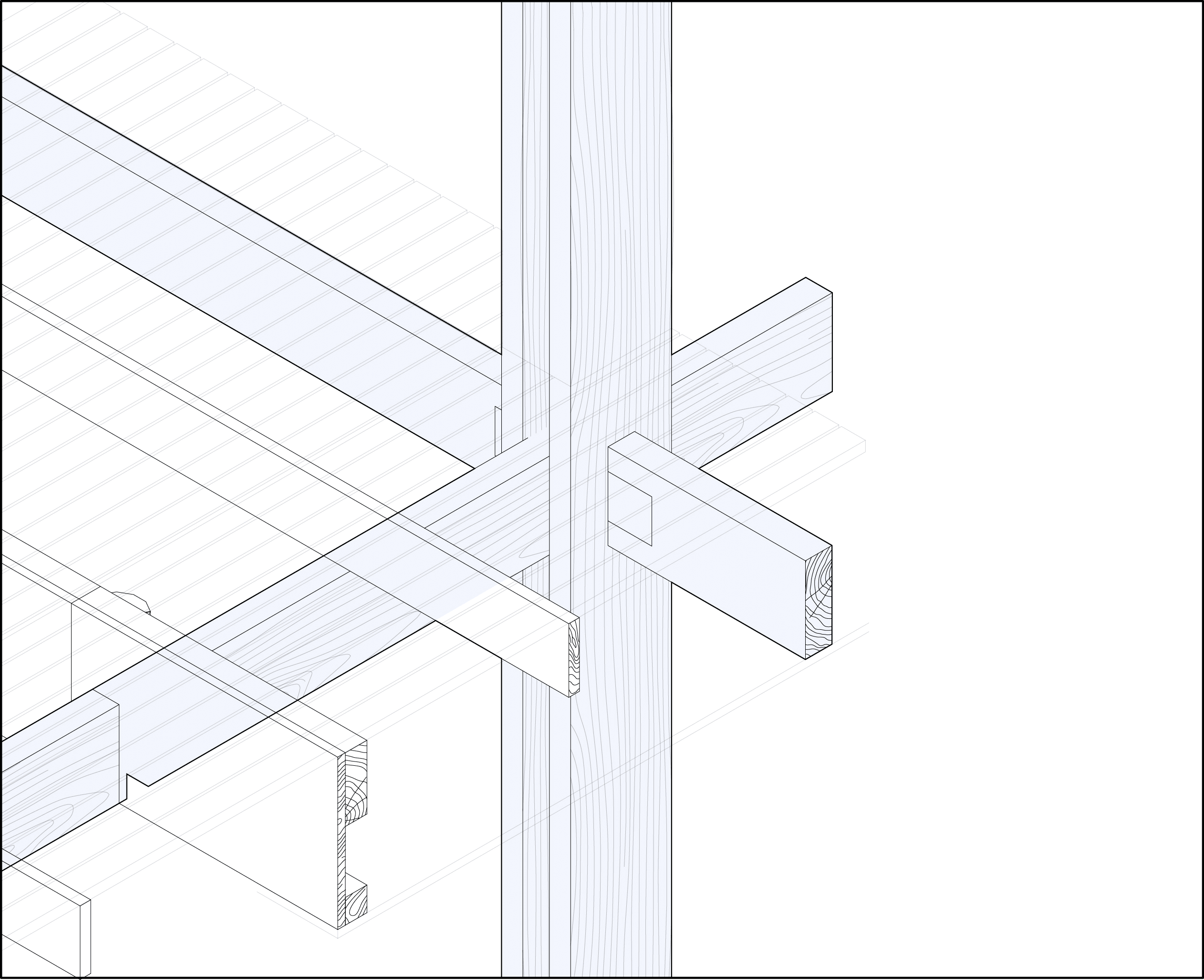
To conceal services within a pure structural form, I engineered a connection reminiscent of Japanese joinery. By cutting through-mortises into the laminated columns, I created a rigid internal ledge to support the cross-beams. This honest detailing ensures the Silvertop Ash is not merely a facade, but a carbon-sequestering skeleton grounded in its Australian context.
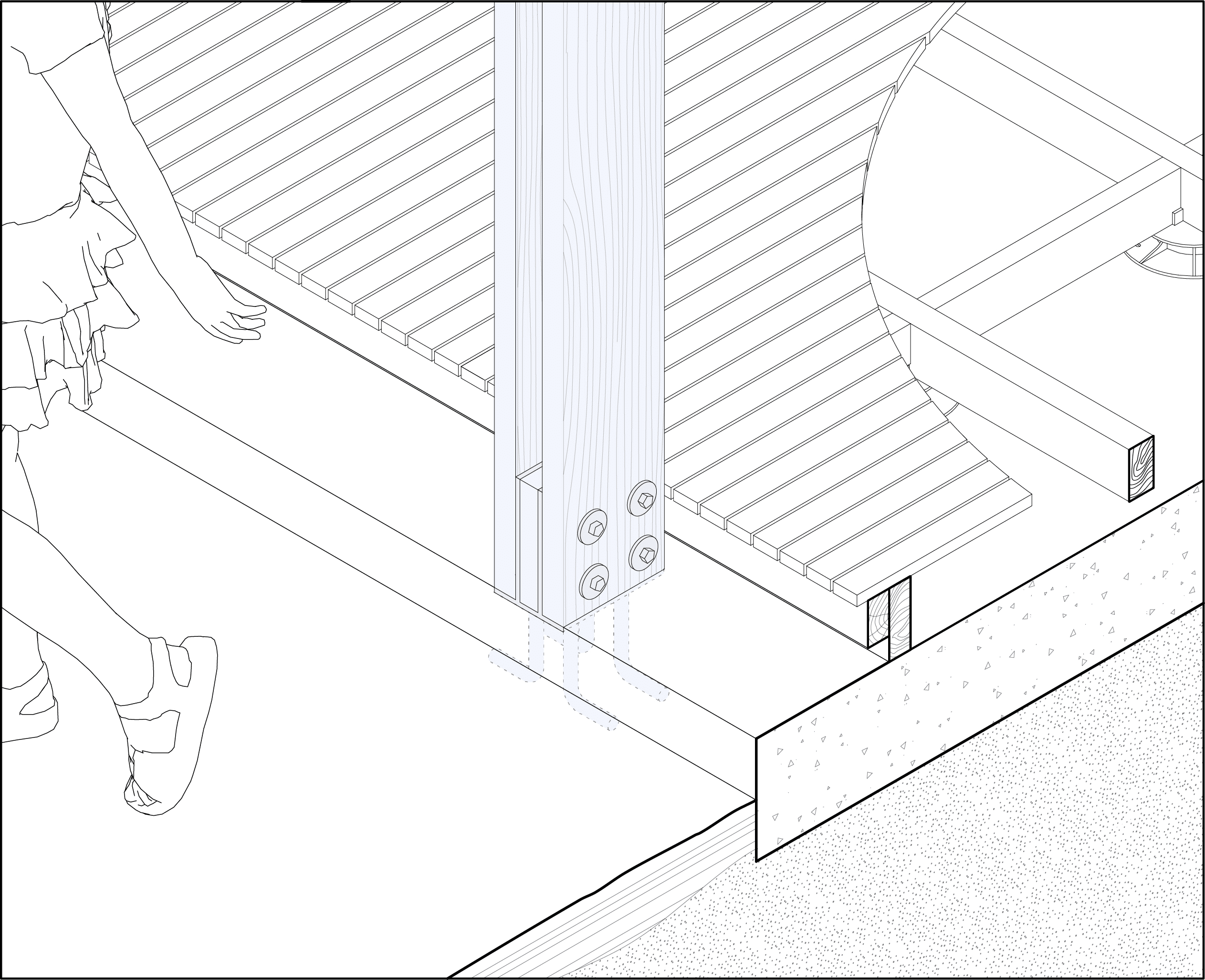
Architecture creates movement that must be resolved. To terminate the balcony's vertical momentum, I engineered a custom steel bracket cast directly into the slab. This connection anchors the downward force, ensuring the timber feels firmly grasped by the earth. The floating deck then softens this grounding, mediating the scale between structure and landscape.
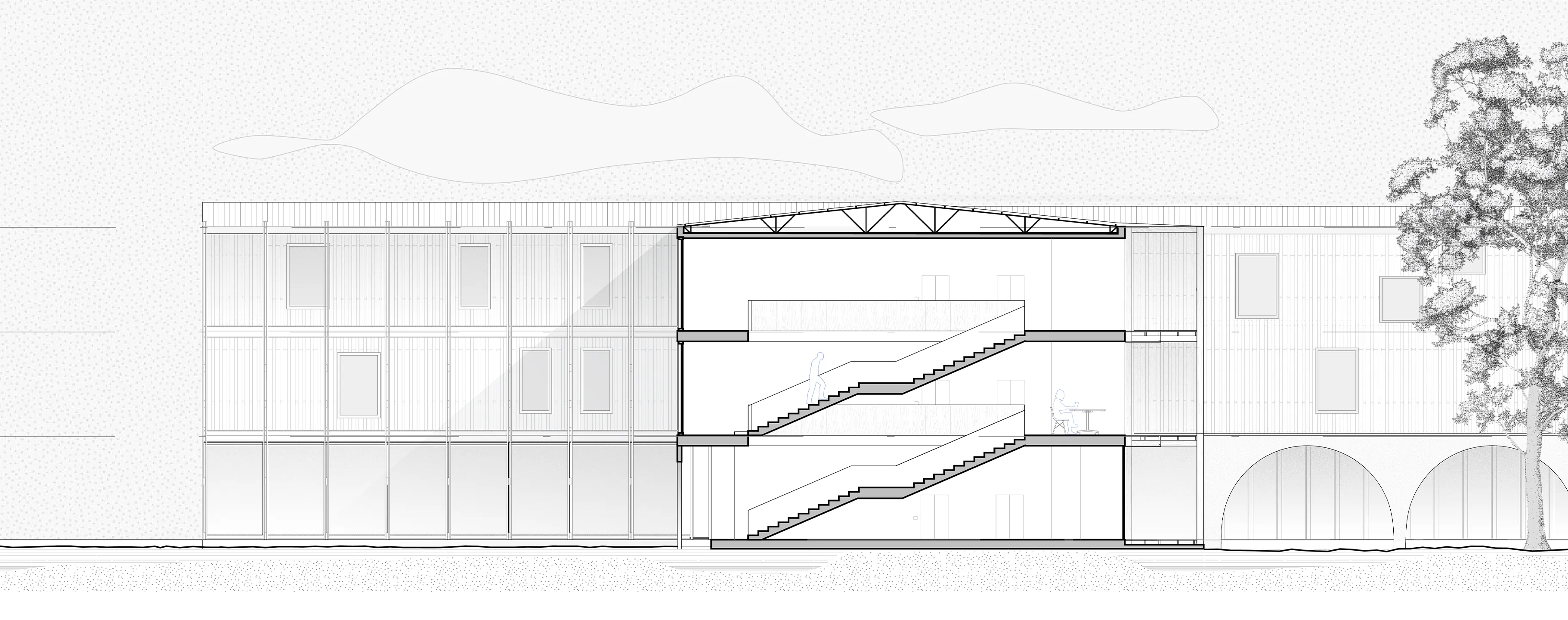
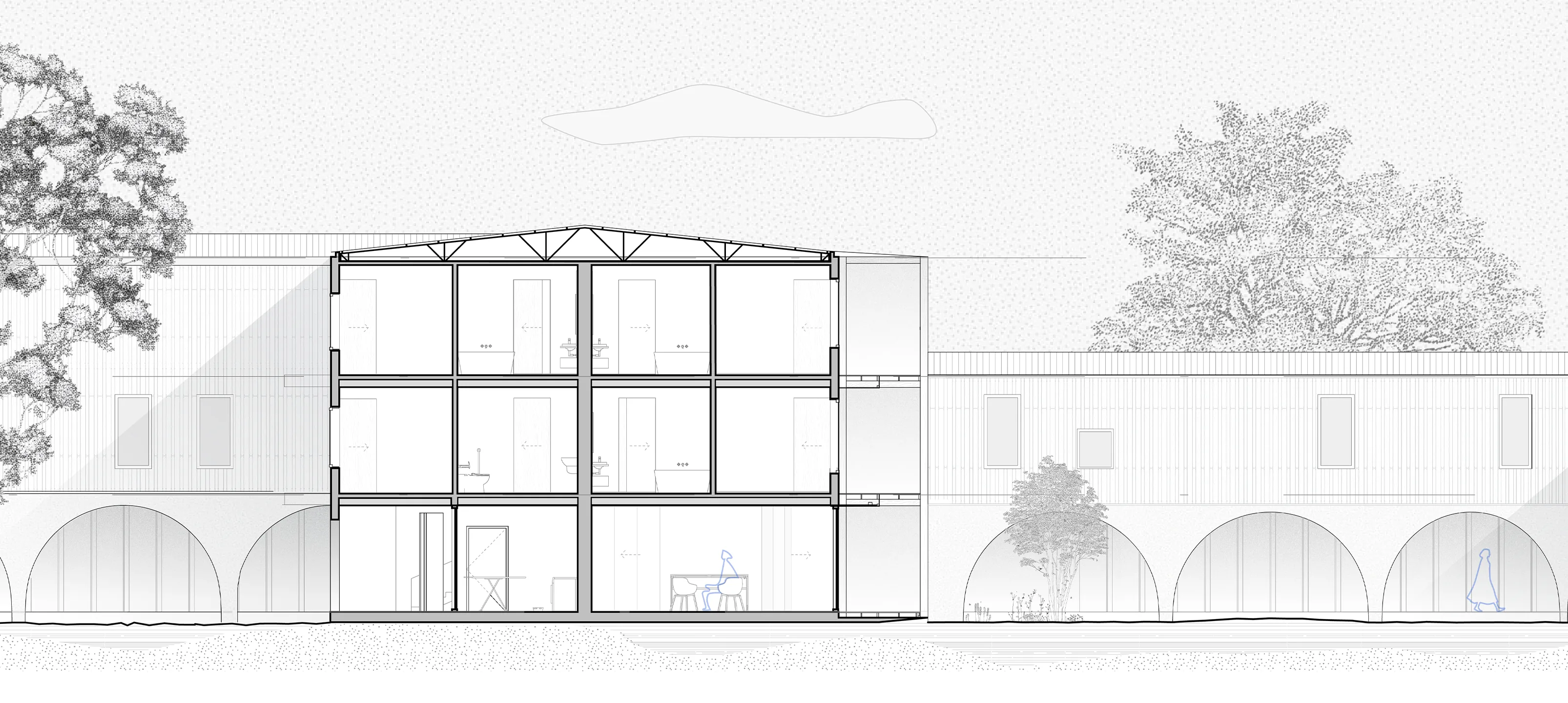
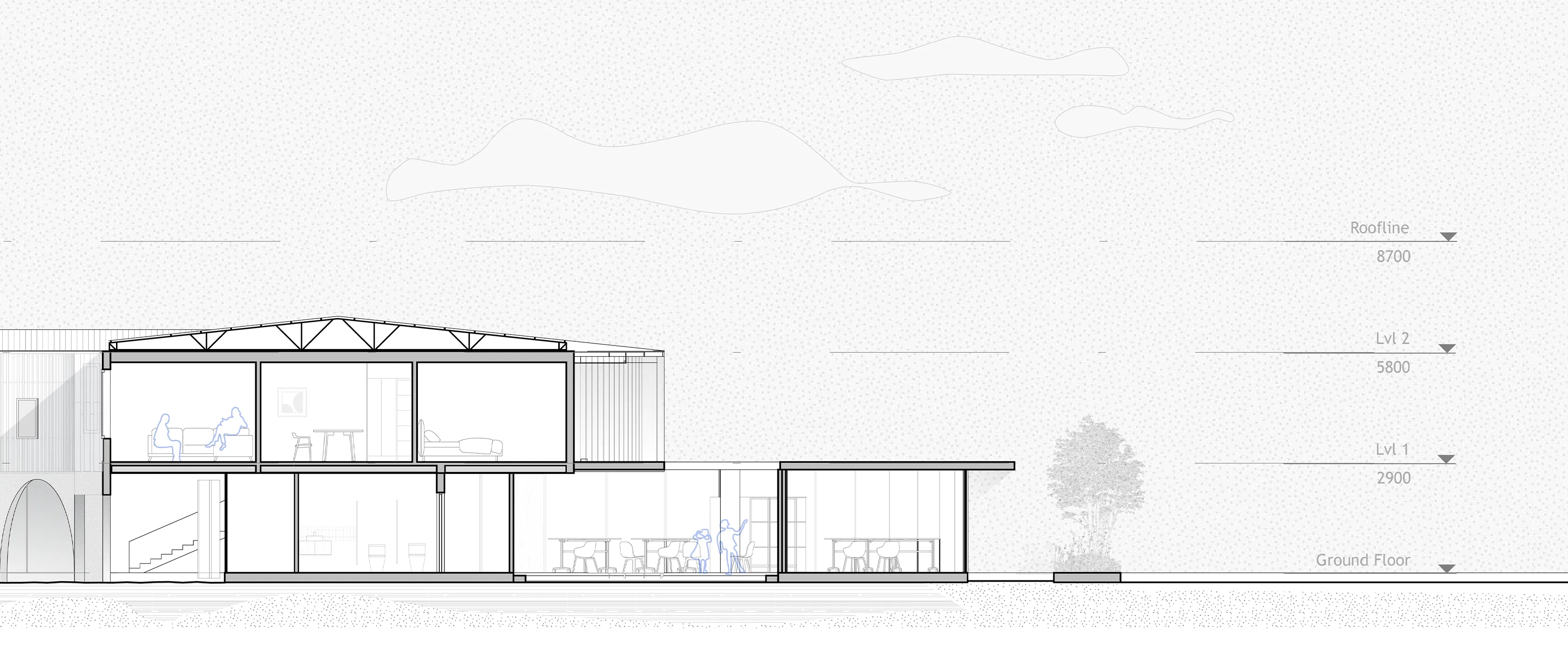
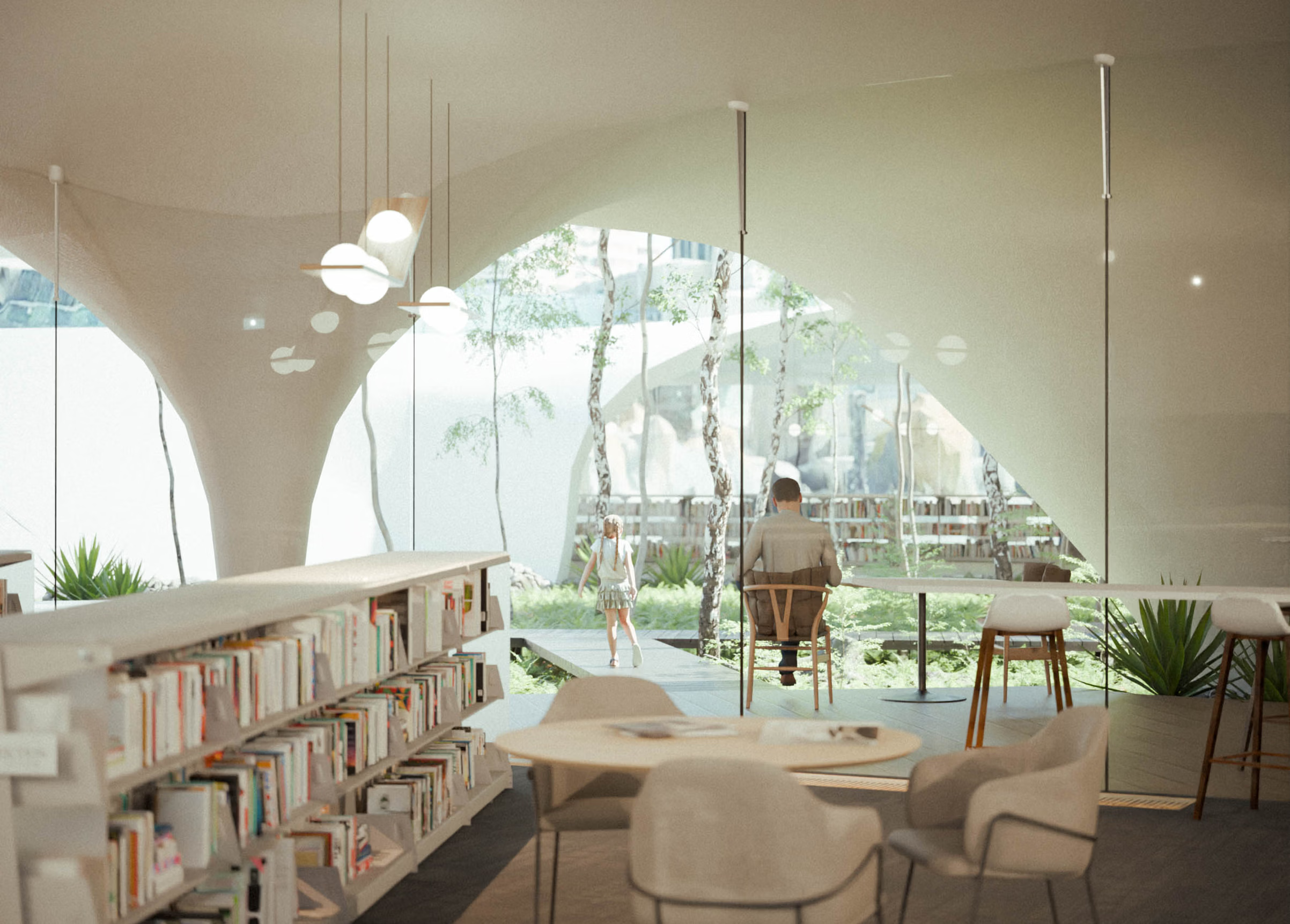
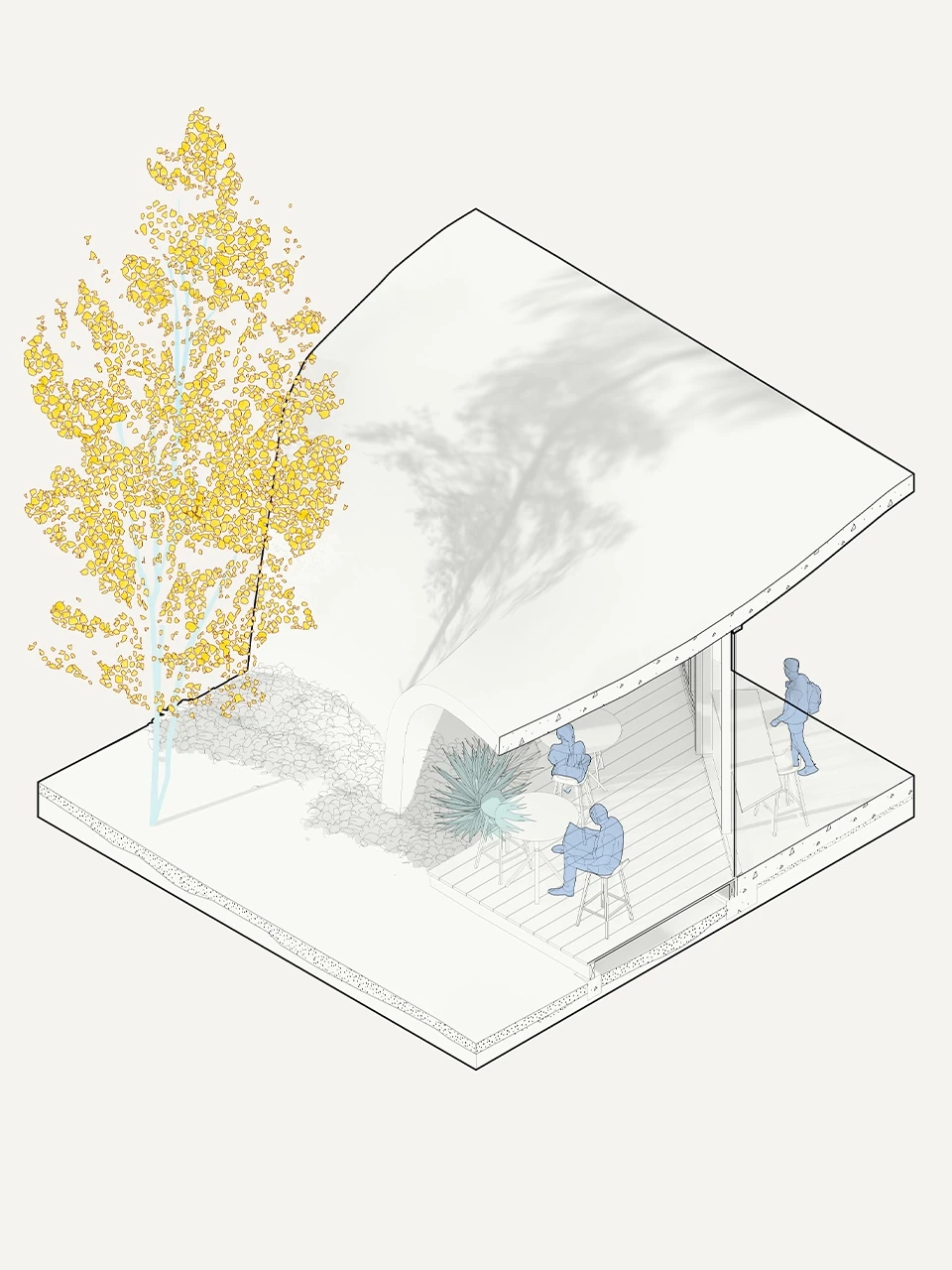
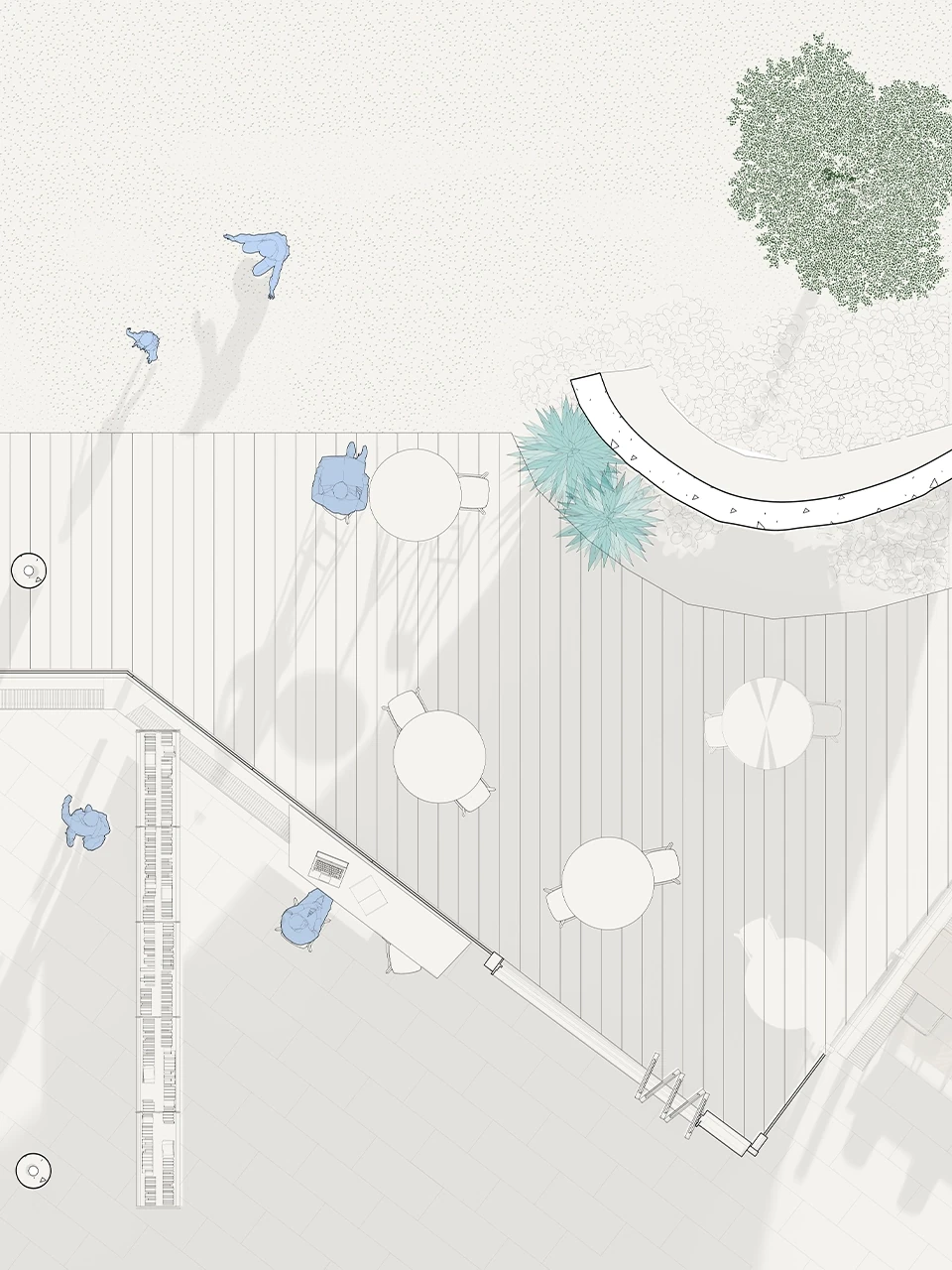
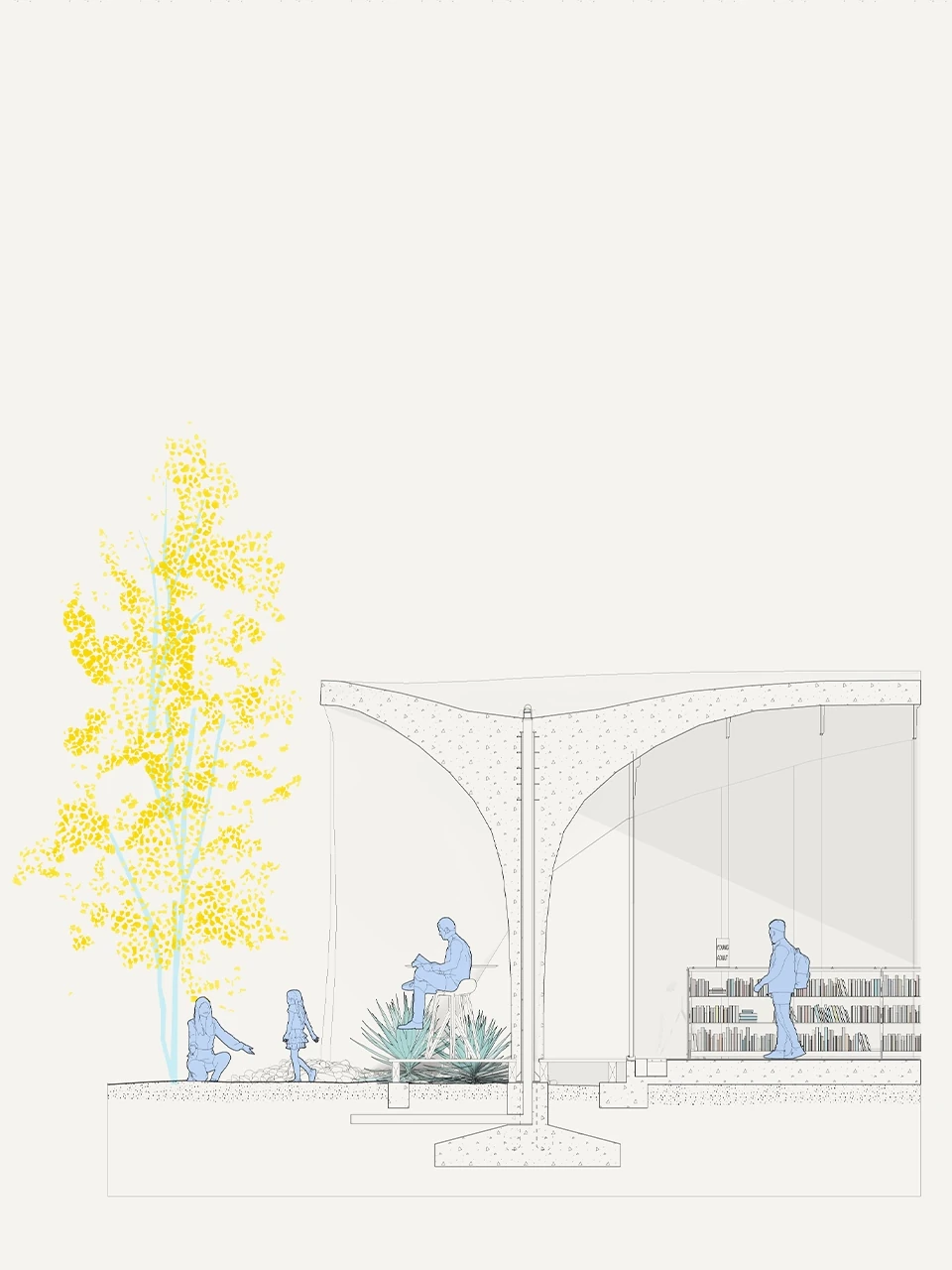
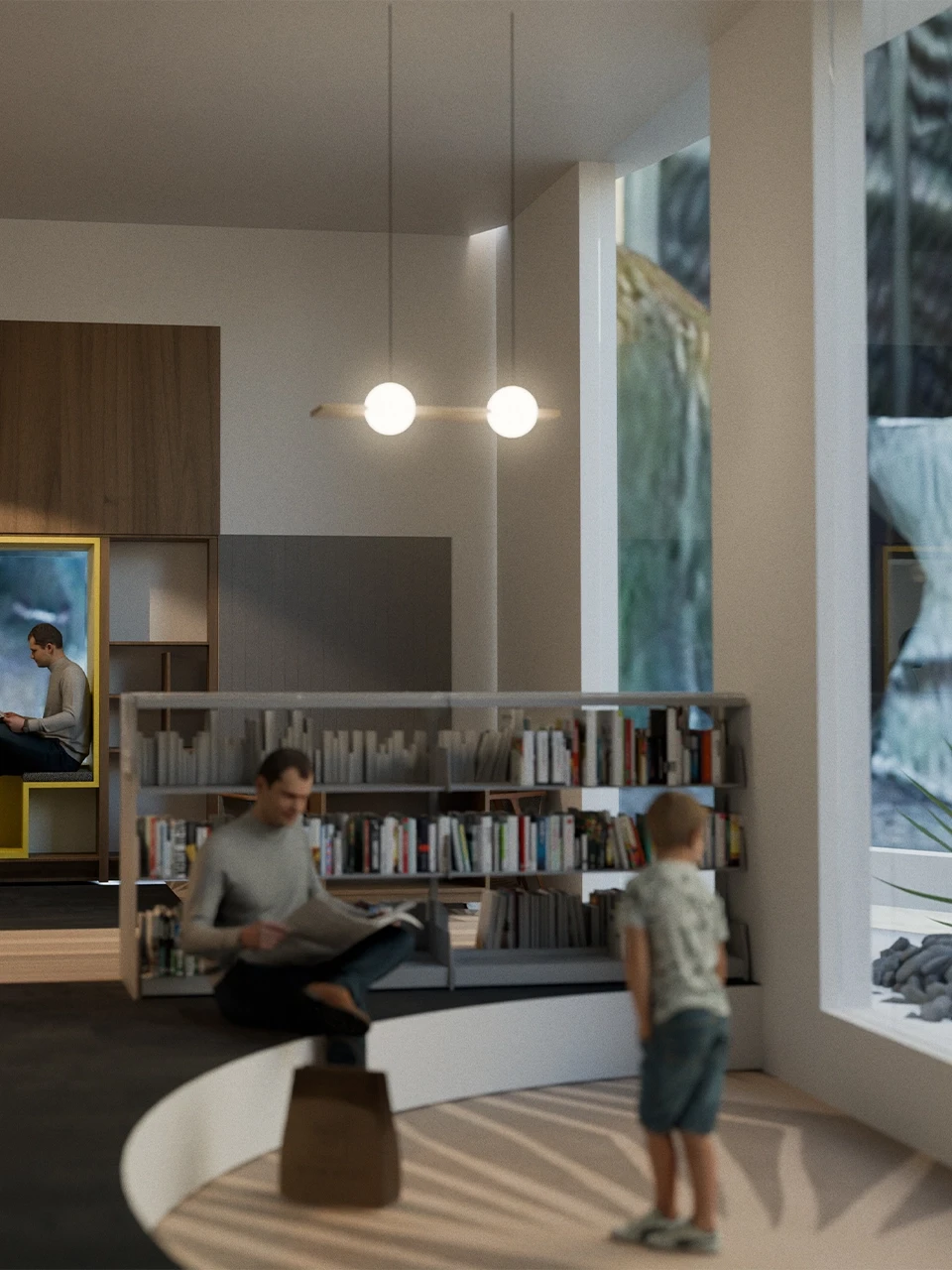
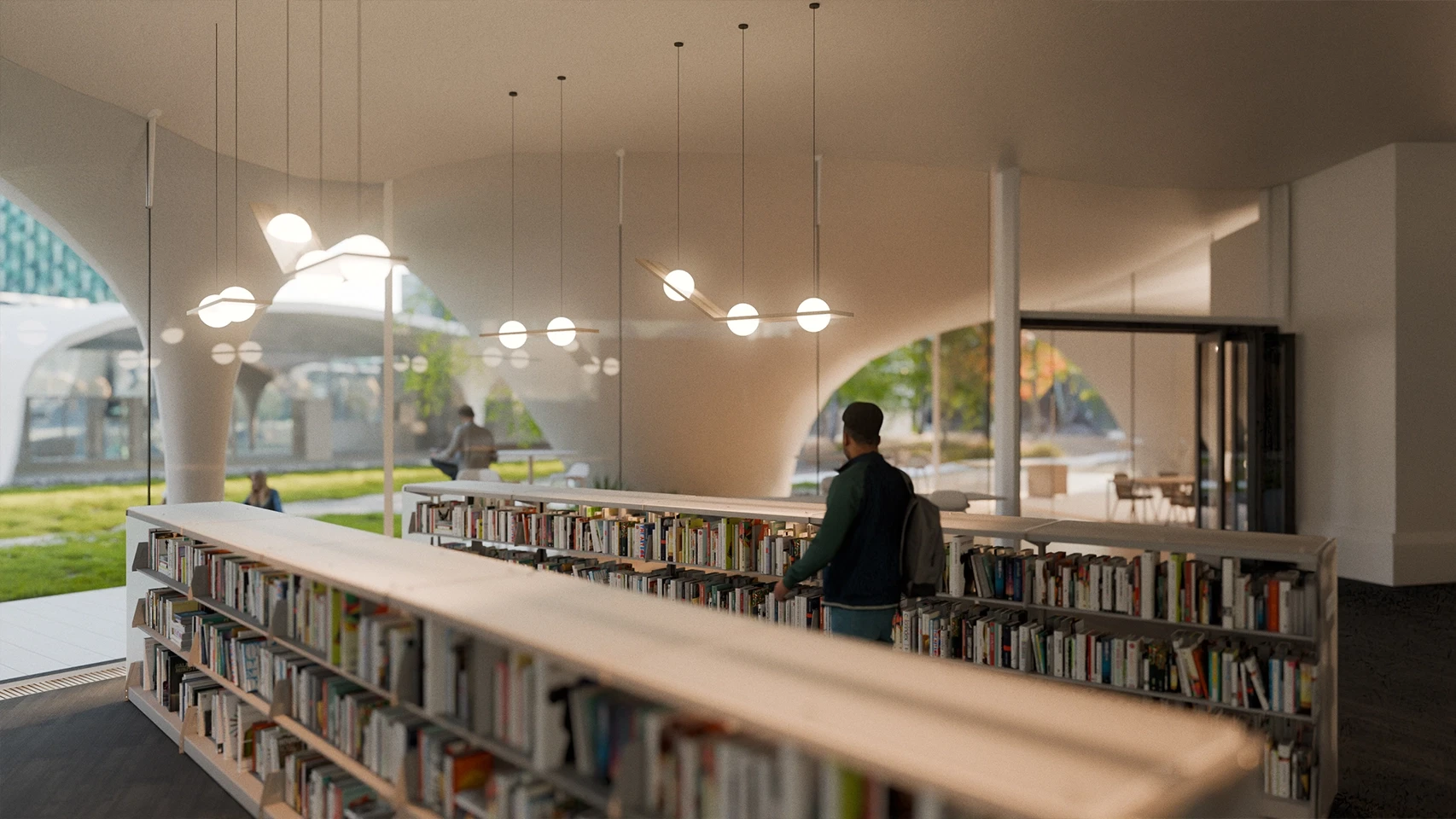
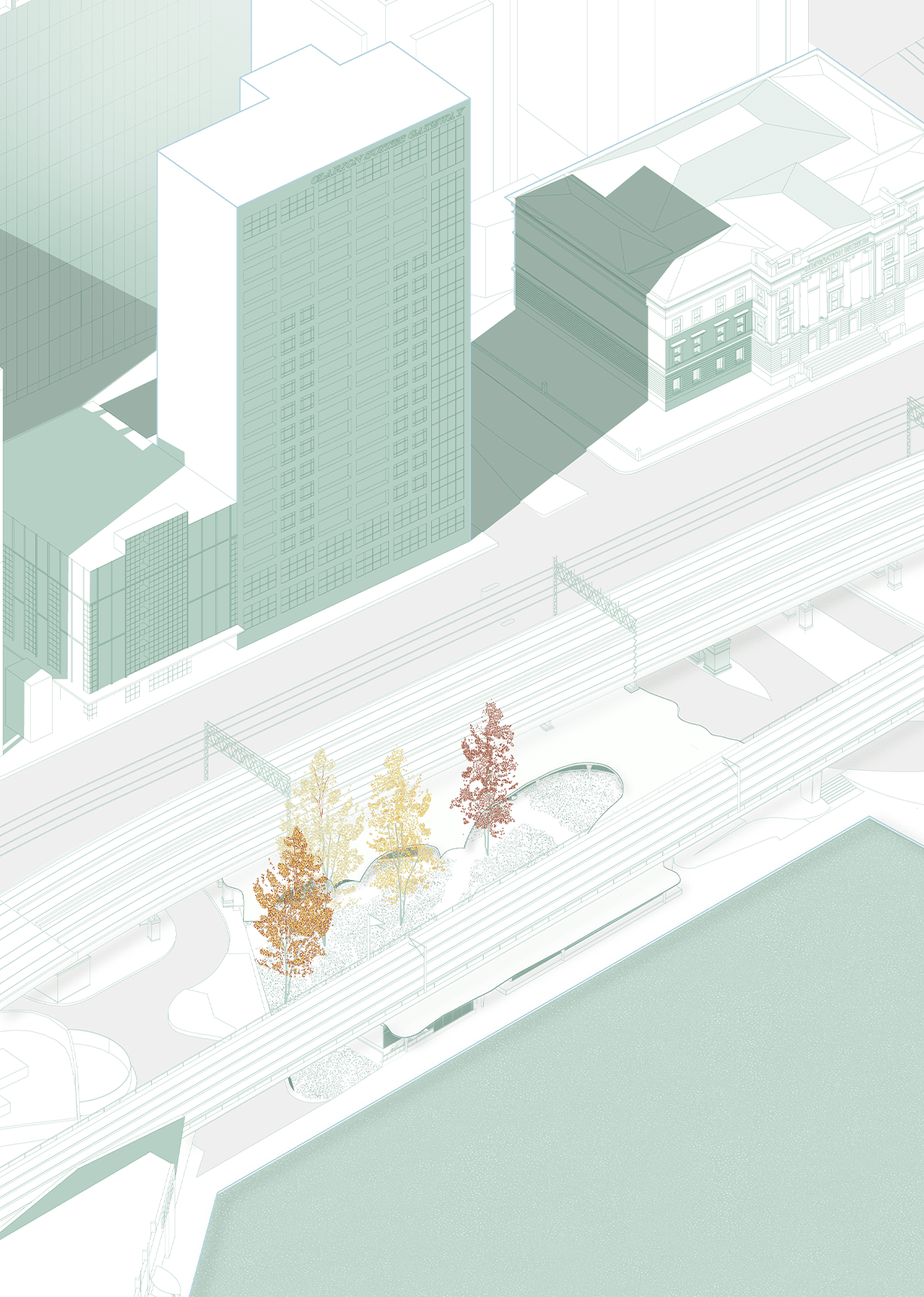
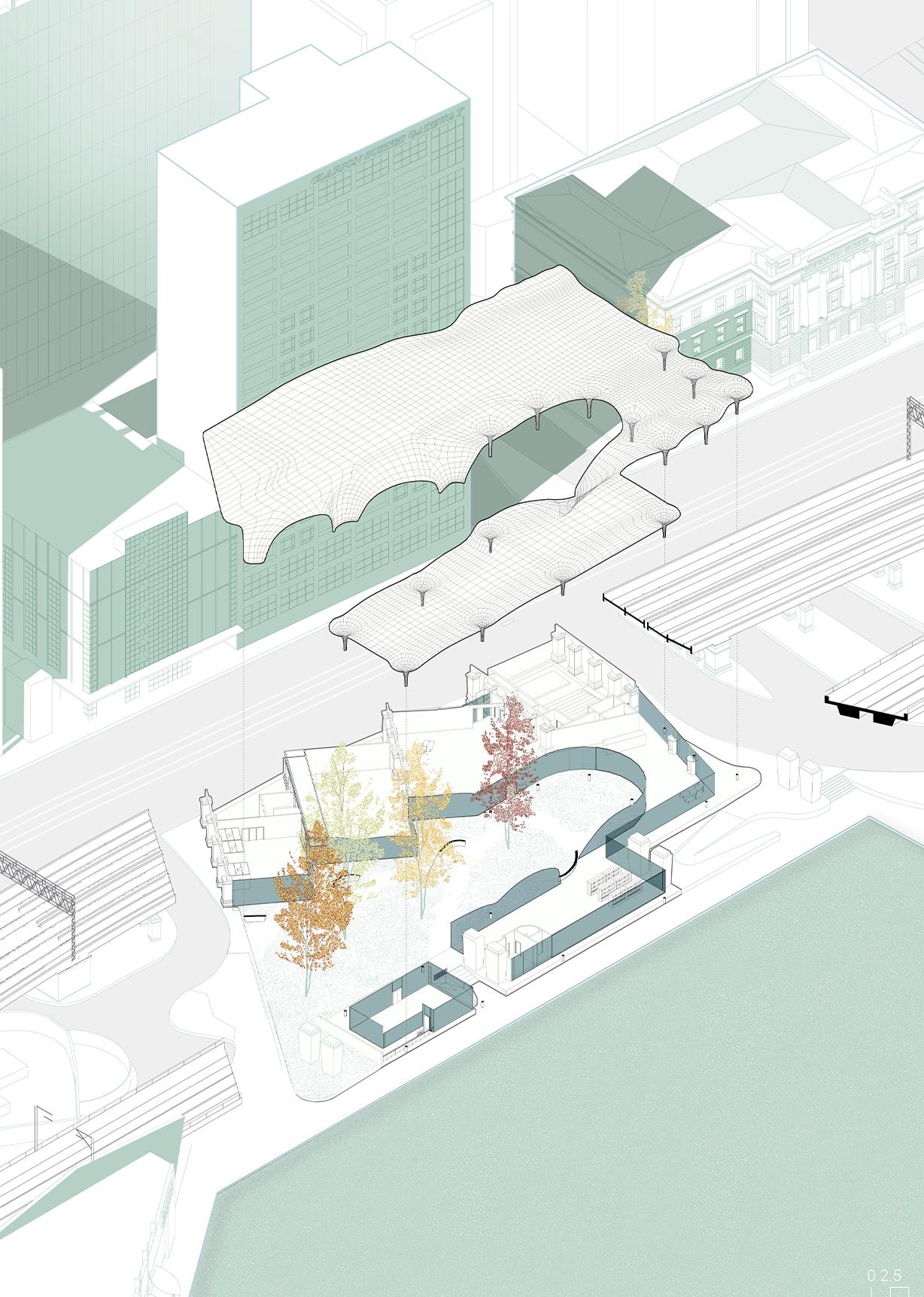
Context: Addressing the deficit of defined civic squares within Melbourne's colonial grid, the project interrogates the residual void of the Yarra River rail corridor. Intervention: The volume occupies the underpass shadow strictly to preserve the central open space, rejecting encroachment on the parkland. Tectonic: This strategic withdrawal generates a sub-structural urban plinth concealed beneath the existing transportation canopy.
In June 2025, Design Studio Tectonics issued a brief: transform the vacant site at 154 Leicester Street into a University Study Hub defined purely by the poetry of its construction.

Personal Works explores contentious architecture in Hobart, Tasmania. Channeling childhood imagination, iconic sites are deconstructed into surreal, oneiric structures of political commentary.
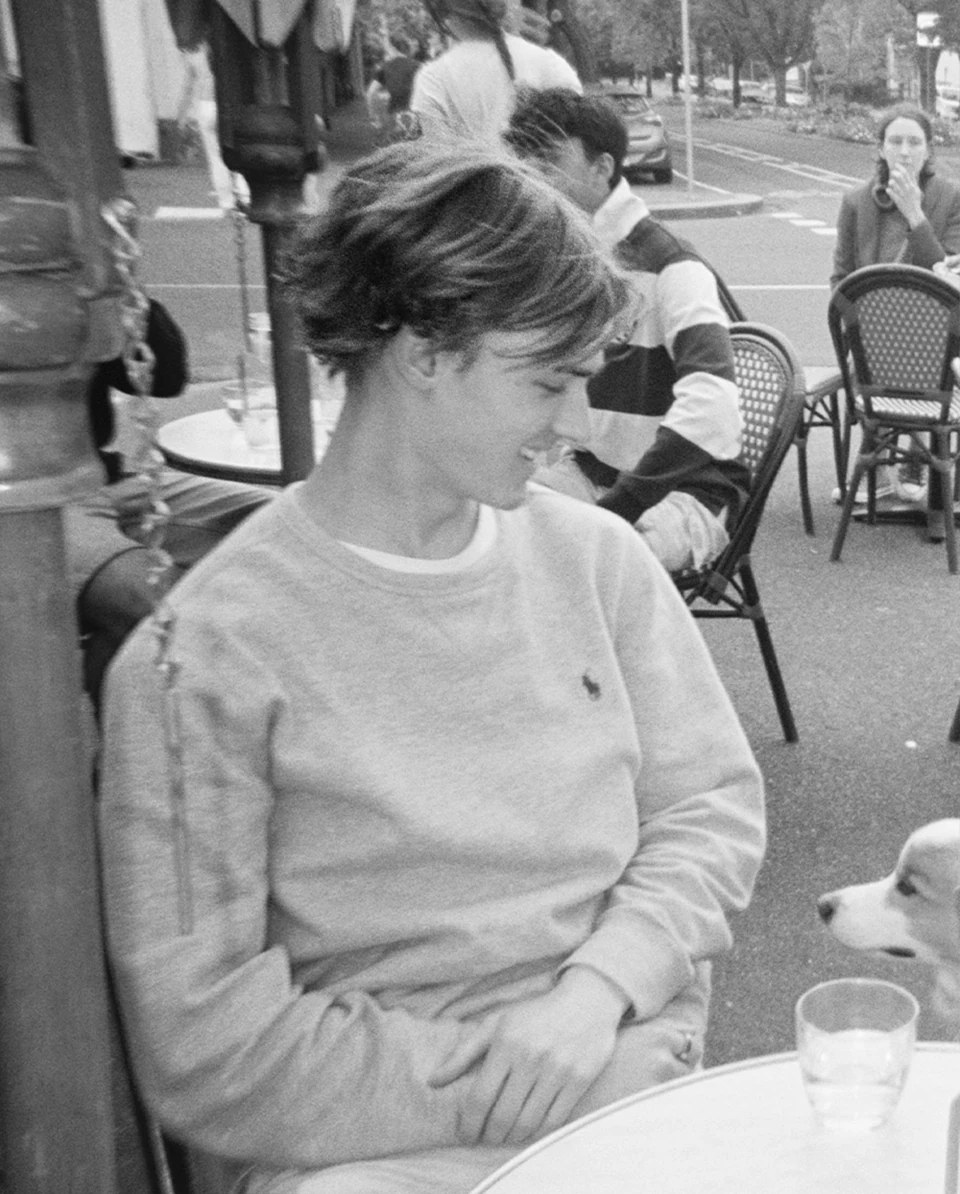
I am an architectural designer and Master of Architecture candidate at the University of Melbourne, currently based between Hobart and Melbourne. My work operates at the intersection of technical precision, visual storytelling, and creative coding. I utilize tools like Revit, Blender, and modern web technologies not just to document spaces, but to translate abstract concepts into interactive, constructible realities.
My professional experience focuses on design development and technical documentation. Most recently, I have contributed to the Tasmania AFL High Performance Centre, assisting with interior spatial planning and design resolution. I am internationally ambitious and driven by opportunities to work on challenging projects that expand my technical and creative capabilities.
Whether you have a project in mind or want to discuss an opportunity, I'd love to hear from you.